
+86 18652221058
- English
- Chinese
- French
- German
- Portuguese
- Spanish
- Russian
- Japanese
- Korean
- Arabic
- Irish
- Greek
- Turkish
- Italian
- Danish
- Romanian
- Indonesian
- Czech
- Afrikaans
- Swedish
- Polish
- Catalan
- Esperanto
- Hindi
- Lao
- Albanian
- Amharic
- Armenian
- Azerbaijani
- Belarusian
- Bengali
- Bosnian
- Bulgarian
- Cebuano
- Chichewa
- Corsican
- Croatian
- Dutch
- Estonian
- Filipino
- Finnish
- Frisian
- Galician
- Georgian
- Gujarati
- Haitian
- Hausa
- Hawaiian
- Hebrew
- Hmong
- Hungarian
- Icelandic
- Igbo
- Javanese
- Kannada
- Kazakh
- Khmer
- Kurdish
- Kyrgyz
- Latin
- Latvian
- Lithuanian
- Luxembou..
- Macedonian
- Malagasy
- Malay
- Malayalam
- Maltese
- Maori
- Marathi
- Mongolian
- Burmese
- Nepali
- Norwegian
- Pashto
- Persian
- Punjabi
- Serbian
- Sesotho
- Sinhala
- Slovak
- Slovenian
- Somali
- Samoan
- Scots Gaelic
- Shona
- Sindhi
- Sundanese
- Swahili
- Tajik
- Tamil
- Telugu
- Thai
- Ukrainian
- Urdu
- Uzbek
- Vietnamese
- Welsh
- Xhosa
- Yiddish
- Yoruba
- Zulu
- Kinyarwanda
- Tatar
- Oriya
- Turkmen
- Uyghur


A crane Load Moment Indicator (LMI) system may give false alarms because of incorrect sensor signals, damaged wiring, communication failures, calibration errors, faulty displays, or unstable data from boom angle, length, and pressure sensors. When a crane shows an overload warning without actually lifting an excessive load, the problem is usually not the lifting capacity itself but inaccurate information being transmitted to the LMI controller. This issue affects mobile crane operators, maintenance companies, rental fleets, and crane owners using equipment from brands such as XCMG, SANY, Zoomlion, and other manufacturers. This guide explains the most common causes of false LMI alarms, how to identify the faulty component, and which replacement parts should be checked before replacing the entire system.
What Does a False Crane LMI Alarm Mean?
A crane LMI system is designed to monitor critical operating parameters, including:
- Load weight
- Boom length
- Boom angle
- Working radius
- Hydraulic pressure
- Crane configuration
When the system detects that the crane is approaching or exceeding a safe operating limit, it activates warnings or restrictions.
However, a false alarm occurs when:
- The crane is operating within the safe range
- The actual lifting load is normal
- The display shows incorrect data
- The system suddenly reports overload
Typical symptoms include:
- Overload alarm with no heavy load
- Incorrect load percentage
- Wrong boom length reading
- Incorrect radius calculation
- Sensor error codes
- Display freezing
- Intermittent alarms during operation
A false LMI alarm should not simply be ignored because the system may also fail to provide protection during a real overload condition.
How Does a Crane LMI System Work?
A complete crane LMI system normally includes several electronic components working together:
- Load pressure sensor
- Boom angle sensor
- Boom length sensor
- Cable reel system
- LMI computer/controller
- Display monitor
- Wiring harness and communication system
The controller collects signals from different sensors and calculates:
- Actual load
- Safe lifting capacity
- Working radius
- Overload status
If one sensor provides incorrect information, the entire calculation may become inaccurate.
For example:
- Wrong boom angle → incorrect radius calculation
- Wrong boom length → incorrect capacity calculation
- Wrong pressure signal → incorrect load calculation
Therefore, troubleshooting should start from the signal source instead of immediately replacing the complete LMI system.
Cause 1: Crane Angle Sensor Provides Incorrect Data
The boom angle sensor is one of the most important components in the LMI system.
It measures:
- Boom elevation angle
- Crane working position
- Radius calculation input
When the angle sensor fails, operators may notice:
- Display angle does not match actual boom position
- Load chart calculation becomes incorrect
- Alarm appears during normal operation
- Working radius fluctuates
Common causes include:
- Sensor aging
- Internal electronic failure
- Loose connector
- Damaged wiring
- Incorrect calibration
- Mechanical installation deviation
XZJMD provides crane electronic components including Crane Angle Sensor solutions for XCMG, SANY, Zoomlion and other crane applications.
When replacing an angle sensor, buyers should confirm:
- Crane brand
- Crane model
- Original sensor part number
- Connector type
- Voltage specification
- Calibration requirements
Cause 2: Boom Length Sensor or Cable Reel Failure
The boom length sensor measures how far the crane boom extends.
Most systems use a cable reel mechanism to measure boom extension.
Common failures include:
- Cable damage
- Reel spring failure
- Signal interruption
- Incorrect length feedback
- Internal encoder failure
Typical symptoms:
- Boom length displayed incorrectly
- LMI alarm appears during boom extension
- Length value jumps randomly
- System cannot recognize boom position
XZJMD supplies crane Cable Reel Box products used for boom length measurement and LMI signal transmission.
Common applications include:
- XCMG crane cable reel
- SANY crane cable reel
- Zoomlion crane cable reel
- Hirschmann cable reel replacement
Before ordering a replacement cable reel, customers should provide:
- Original part number
- Cable length
- Connector photo
- Crane model
- Existing fault symptoms
Cause 3: Hydraulic Pressure Sensor Failure
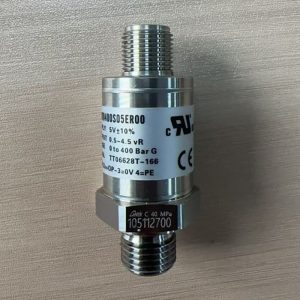
The pressure sensor converts hydraulic pressure into an electrical signal.
The LMI controller uses this data to calculate the actual lifting load.
When the pressure sensor becomes inaccurate, problems may include:
- False overload alarm
- Incorrect load percentage
- Unstable load readings
- Different readings under similar lifting conditions
Possible causes:
- Sensor aging
- Hydraulic contamination
- Voltage instability
- Connector corrosion
- Internal circuit damage
XZJMD provides Crane Sensor Components including pressure sensors used in crane monitoring applications.
When diagnosing a pressure sensor problem, technicians should check:
- Sensor output voltage
- Wiring continuity
- Hydraulic pressure condition
- Controller input signal
- Calibration parameters
Replacing the sensor without calibration may not completely solve the problem.
Cause 4: LMI Display or Monitor Communication Problems
Sometimes the sensors work correctly, but the display shows incorrect information.
Common monitor problems include:
- Frozen screen
- Missing data
- Communication error
- Incorrect warning message
- No response after startup
Possible reasons:
- CAN communication failure
- Damaged communication cable
- Software parameter loss
- Display hardware failure
- Incorrect model configuration
XZJMD supplies crane LMI Monitor and Display Components for various crane brands.
These products are used for:
- Load display
- Alarm indication
- Parameter monitoring
- Operator interface replacement
When replacing an LMI display, customers should confirm:
- Crane model
- Original display model
- Communication protocol
- Software version
- Connector configuration
Cause 5: LMI Mainboard or Controller Failure
The LMI controller is the central processing unit of the safety system.
It receives:
- Sensor signals
- Crane configuration data
- Load chart information
Then it calculates safe lifting conditions.
Controller problems may cause:
- Random alarms
- Incorrect load calculation
- Sensor communication failure
- System restart
- No display output
XZJMD provides Crane Motherboard and Control Components including replacement boards for XCMG, Zoomlion and other crane systems.
Common replacement situations:
- Original controller discontinued
- Water damage
- Electronic component failure
- Program loss
- Communication fault
Cause 6: Calibration Data Does Not Match the Crane Configuration
A new sensor or display does not always work immediately after installation.
The LMI system requires correct:
- Crane model parameters
- Load chart data
- Sensor calibration values
- Boom configuration
- Hydraulic parameters
Incorrect calibration can cause:
- False overload warnings
- Incorrect capacity display
- Wrong radius calculation
- Limited crane operation
This commonly happens after:
- Sensor replacement
- Controller replacement
- Display replacement
- Crane modification
A replacement component must match the original crane configuration.
How to Troubleshoot a Crane LMI False Alarm?
A practical troubleshooting process:
Step 1: Check the Alarm Code
Record:
- Error message
- Fault code
- Time of occurrence
- Crane operation condition
Step 2: Compare Display Data With Actual Conditions
Check:
- Actual boom angle
- Actual boom length
- Actual load
- Display reading
Identify which parameter is incorrect.
Step 3: Inspect Sensor Connections
Check:
- Wiring harness
- Connectors
- Corrosion
- Cable damage
- Loose terminals
Step 4: Test Individual Sensors
Check:
- Angle sensor output
- Pressure sensor signal
- Length sensor feedback
Step 5: Verify Controller Communication
Check:
- CAN communication
- Software parameters
- Controller status
Step 6: Recalibrate After Replacement
After replacing:
- Sensor
- Display
- Controller
- Cable reel
the system may require parameter adjustment and calibration.
Which Crane LMI Components Are Commonly Replaced?
The most frequently replaced LMI-related components include:
Crane LMI Display
For:
- Screen failure
- Communication problems
- Display replacement
Product page:
Crane Sensors
Including:
- Angle sensor
- Pressure sensor
- Length sensor
Product page:
Cable Reel Box
Used for:
- Boom length measurement
- Signal transmission
Product page:
LMI Controller / Mainboard
Used for:
- Data processing
- System replacement
- Electronic repair
Product page:
What Information Should Buyers Provide Before Ordering LMI Parts?
To identify the correct replacement component, buyers should provide:
| Information | Example |
|---|---|
| Crane Brand | XCMG / SANY / Zoomlion |
| Crane Model | QY50K, QY70, QUY series |
| Component Type | Sensor / Display / Controller |
| Original Part Number | Product code |
| Fault Code | Alarm information |
| Product Photo | Connector and label |
| Voltage | 12V / 24V |
| Application | Repair / Replacement / Upgrade |
Providing complete information helps suppliers avoid incorrect matching.
Can an Old Crane Be Upgraded With a New LMI System?
Yes.
Many older cranes experience problems because:
- Original LMI parts are discontinued
- Displays are damaged
- Controllers cannot be repaired
- Sensors are unavailable
An LMI retrofit solution may include:
- New display
- New controller
- New sensors
- Cable reel
- Wiring harness
- Calibration service
XZJMD provides crane electronic replacement solutions and supports LMI system upgrades for different crane brands.
Frequently Asked Questions
Why does my crane show overload without a heavy load?
Possible reasons include:
- Pressure sensor error
- Angle sensor deviation
- Incorrect calibration
- Controller communication problem
How do I reset a crane LMI alarm?
The correct method depends on the crane model and alarm cause. Resetting without solving the fault may disable important safety protection.
Does replacing an LMI sensor require calibration?
Usually yes. The replacement sensor must match the crane configuration and calibration parameters.
Can a damaged cable reel cause an overload alarm?
Yes. Incorrect boom length information can affect the LMI calculation and trigger incorrect warnings.
How can I find the correct crane LMI replacement part?
Provide:
- Crane model
- Original part number
- Component photo
- Fault description
A supplier can then confirm compatibility.
Need Help Diagnosing Your Crane LMI Problem?
A false LMI alarm is usually caused by incorrect signals, communication problems, damaged components, or calibration issues.
Before replacing the entire system, check:
- Sensor condition
- Cable reel feedback
- Display communication
- Controller status
- Calibration parameters
XZJMD supplies crane LMI components including:
- Load Moment Indicator Displays
- Sensors
- Cable Reel Boxes
- Controllers
- Mainboards
- Replacement electronic parts
For technical support or replacement recommendations, please provide:
- Crane brand
- Crane model
- Fault code
- Original part number
- Product photos
Contact XZJMD for compatible crane LMI parts and professional replacement solutions.
Feature Product
-
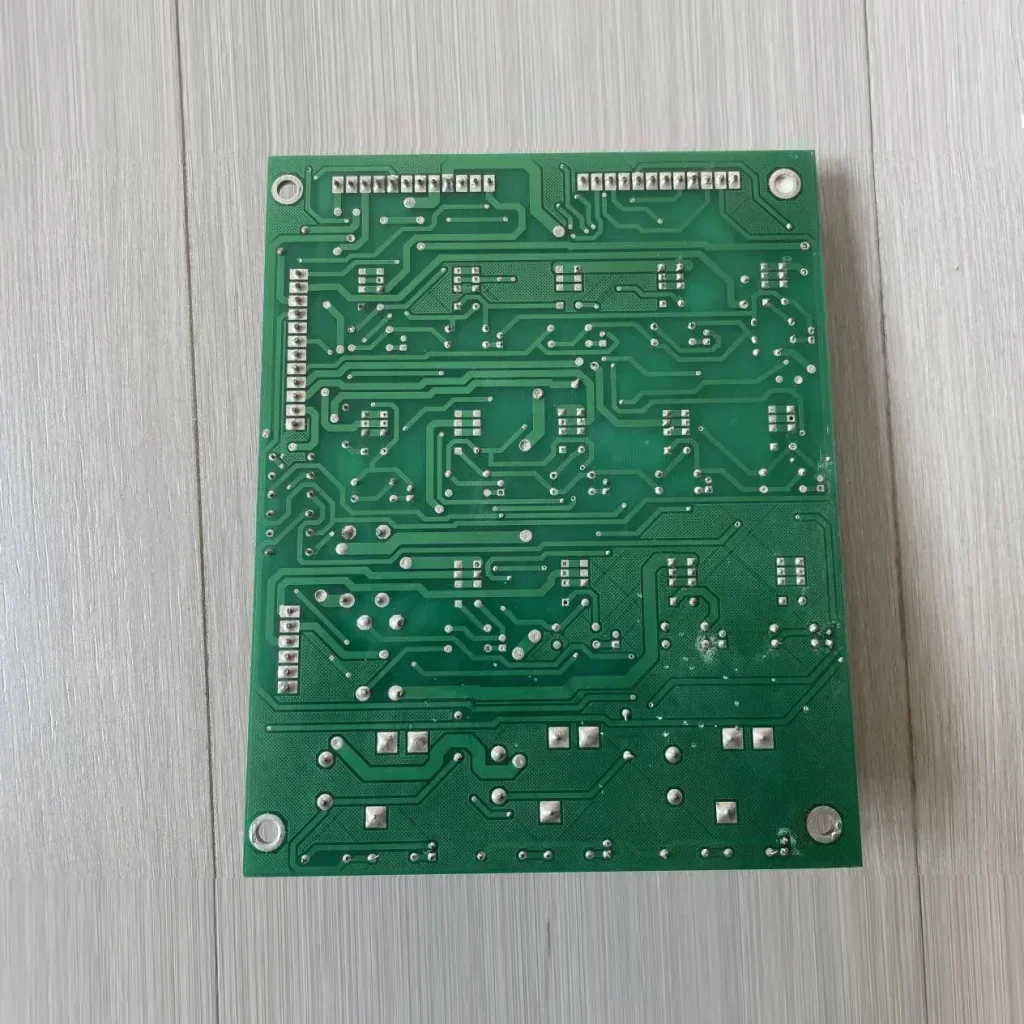 Zoomlion Original Power Control Board – ...
🔹 Core Functions Multi-circuit Power Distrib...
-
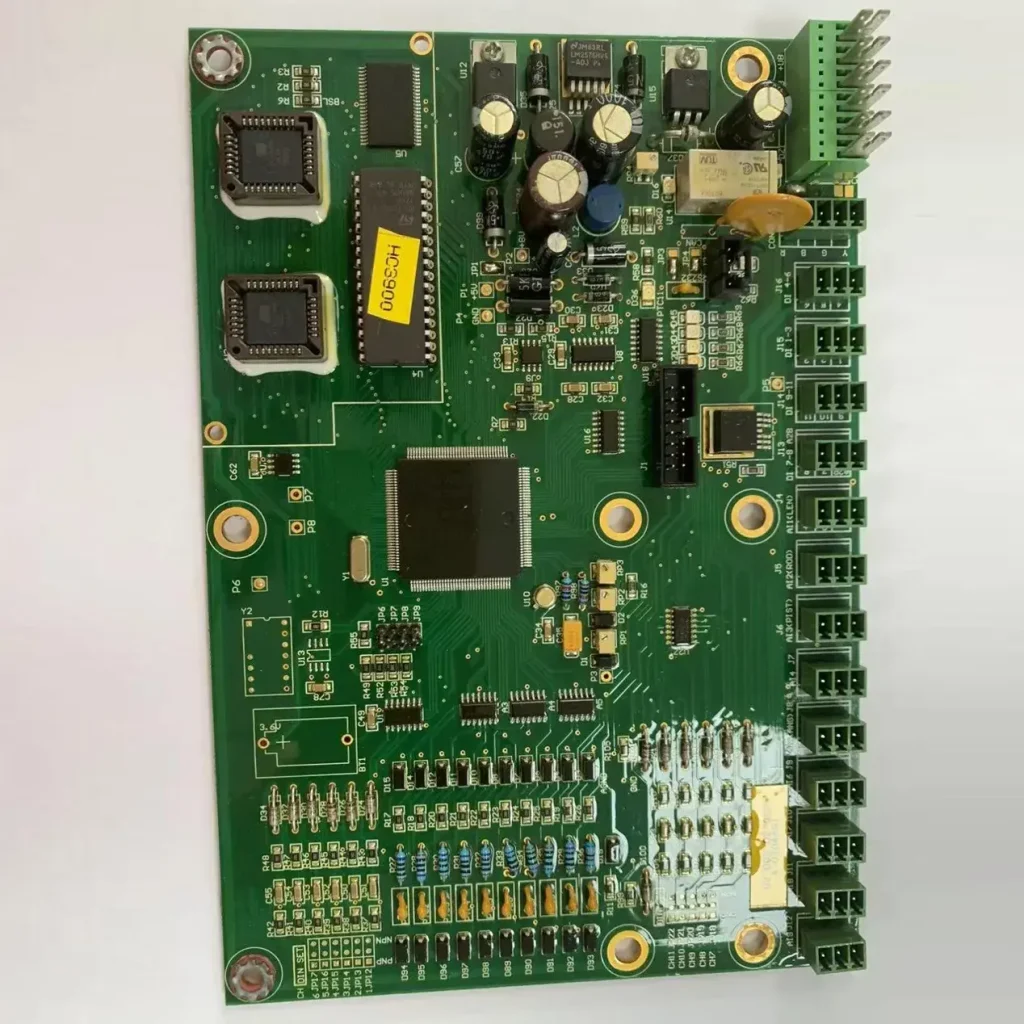 XCMG HC3900 Crane Upper Computer Mainboard
Key Selling Points OEM Direct Compatibility ...
-
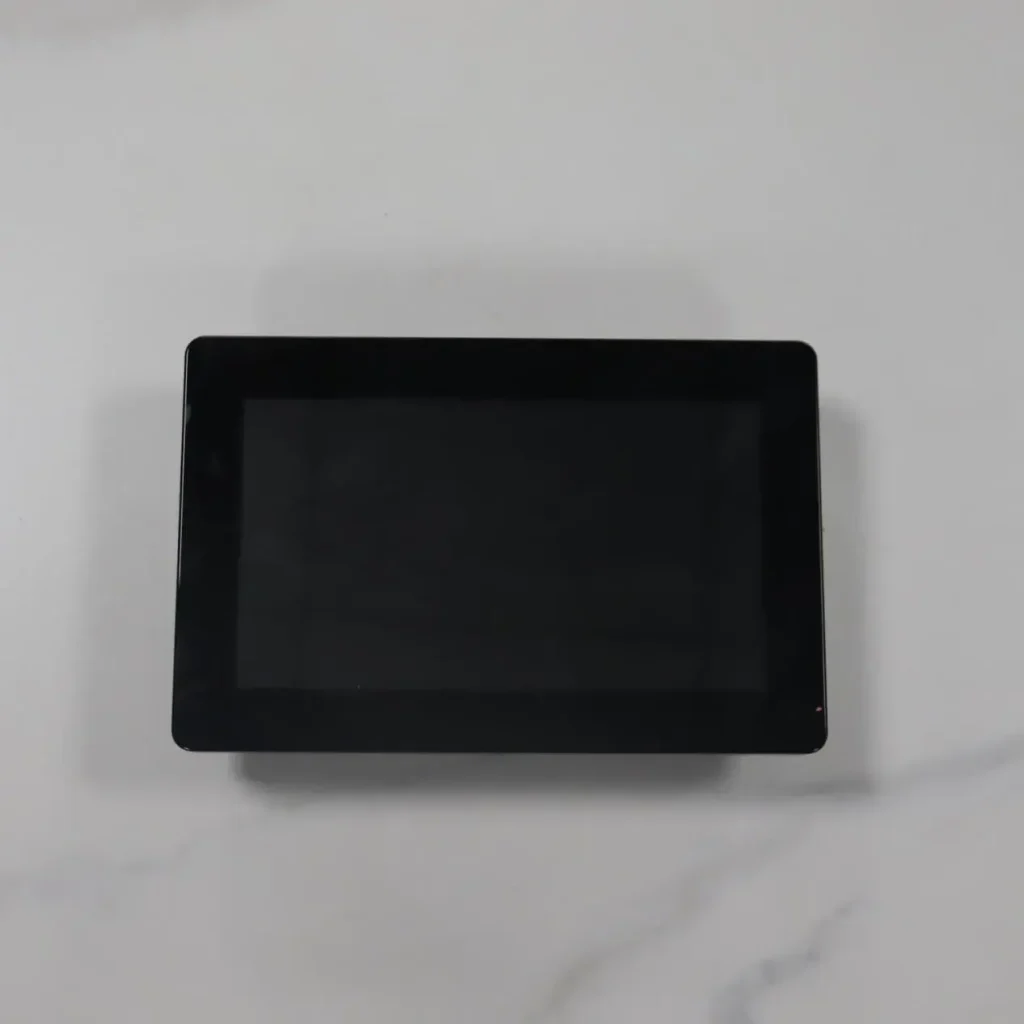 Zoomlion Mobile Crane Load Moment Indicator (LM...
Product Overview This is an original equipment...