
+86 18652221058
- English
- Chinese
- French
- German
- Portuguese
- Spanish
- Russian
- Japanese
- Korean
- Arabic
- Irish
- Greek
- Turkish
- Italian
- Danish
- Romanian
- Indonesian
- Czech
- Afrikaans
- Swedish
- Polish
- Basque
- Catalan
- Esperanto
- Hindi
- Lao
- Albanian
- Amharic
- Armenian
- Azerbaijani
- Belarusian
- Bengali
- Bosnian
- Bulgarian
- Cebuano
- Chichewa
- Corsican
- Croatian
- Dutch
- Estonian
- Filipino
- Finnish
- Frisian
- Galician
- Georgian
- Gujarati
- Haitian
- Hausa
- Hawaiian
- Hebrew
- Hmong
- Hungarian
- Icelandic
- Igbo
- Javanese
- Kannada
- Kazakh
- Khmer
- Kurdish
- Kyrgyz
- Latin
- Latvian
- Lithuanian
- Luxembou..
- Macedonian
- Malagasy
- Malay
- Malayalam
- Maltese
- Maori
- Marathi
- Mongolian
- Burmese
- Nepali
- Norwegian
- Pashto
- Persian
- Punjabi
- Serbian
- Sesotho
- Sinhala
- Slovak
- Slovenian
- Somali
- Scots Gaelic
- Shona
- Sindhi
- Sundanese
- Swahili
- Tajik
- Tamil
- Telugu
- Thai
- Ukrainian
- Urdu
- Uzbek
- Vietnamese
- Welsh
- Xhosa
- Yiddish
- Yoruba
- Zulu
- Kinyarwanda
- Tatar
- Oriya
- Turkmen
- Uyghur

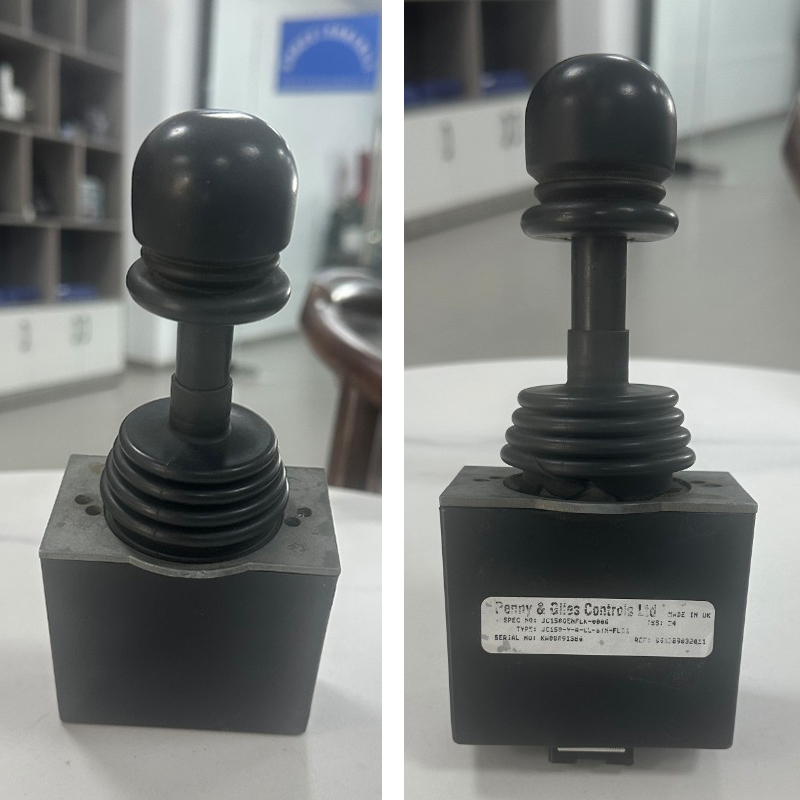
Why Does A Crane Cable Reeling Drum Lose Signal Or Damage The Cable During Boom Movement? | Xuzhou Jiemanda Construction Machinery Co . , Ltd.
Direct Answer: A crane cable reeling drum can lose signal or damage its cable when routing, winding direction, usable cable length, reserve turns, spring retraction force, drum alignment, cable condition, connectors, conductors, or slip-ring continuity are incorrect. Diagnose the fault by symptom and boom position before replacing parts, and isolate the crane under the approved service procedure before inspecting a spring-loaded reel.
This troubleshooting approach is intended for crane maintenance teams, rental fleets, service companies, spare-parts distributors, and equipment owners dealing with intermittent boom-length or related electrical signals during telescoping movement. Jiemanda’s product system includes cable reel boxes for crane and construction machinery replacement applications. Buyers can review the cable reel box product category, but diagnosis should determine whether the failure is mechanical, electrical, or specification-related before a new assembly is ordered.
Which Symptom Should Determine the First Inspection?
The fastest diagnostic path begins with the symptom pattern. “Signal lost” is not a diagnosis. Record exactly when the fault occurs, what the cable is doing, and whether the problem changes with boom extension or retraction.
| Observed Symptom | First Areas to Inspect | Why This Pattern Matters |
|---|---|---|
| Signal drops at nearly the same boom position each cycle | Cable conductor, local abrasion point, connector movement, drum/slip-ring continuity through that position | A position-dependent fault can indicate a moving electrical interruption rather than a continuously failed sensor or controller. |
| Cable becomes slack during retraction | Routing, winding direction, reel return force, drum movement, obstruction, and cable stacking | Slack indicates the reel is not maintaining the required take-up behavior. |
| Cable becomes excessively tight near full extension | Usable cable length, reserve turns, anchor points, routing path, previous cable replacement | Insufficient available length can load the termination, reel, guides, or boom attachment. |
| Cable crosses, rides the flange, or rubs one side | Drum alignment, guide alignment, lateral cable entry angle, mounting position | Mechanical misalignment can damage the cable even when electrical continuity is initially normal. |
| No signal at any boom position | Power/signal path, connectors, cable continuity, slip-ring circuit, downstream system interface | A permanent electrical fault should be separated from a reel-mechanics problem. |
| Fault appears after reel or cable replacement | Part number, cable length, winding direction, pre-load/setup, connector, mounting and routing | The timing strongly suggests a replacement-specification or installation difference. |
One practical industry lesson is to reproduce the fault under controlled service conditions and record the boom position rather than repeatedly moving the boom without a diagnostic plan. A fault that occurs at a repeatable position provides much more useful evidence than a general statement such as “the reel is unstable.”
What Should Be Checked Before the Reel Is Adjusted or Removed?
A cable reel can contain stored spring energy and may be connected to a crane measurement or safety-related circuit. The crane should be isolated and serviced by qualified personnel using the approved machine and reel procedure. Do not open, preload, unwind, or alter a spring mechanism from generic instructions.
Before disassembly, record:
- Crane make, model, and machine identification
- Reel and cable assembly part number, label, and connector information
- Current boom position and whether the fault occurs during extension, retraction, or both
- Photos of the reel mounting position and cable path
- Winding direction as currently installed
- Visible cable condition, rubbing points, kinks, crushing, cuts, or flattened areas
- The position and condition of guides, pulleys, anchors, and connectors
- Whether the fault began before or after maintenance or replacement work
This “as-found” record prevents a common maintenance error: changing reel tension or routing before the original fault condition has been documented. Once several adjustments are made, the team can no longer tell whether the defect was caused by the part, installation, or a later change.
How Can Cable Routing and Winding Direction Create Signal Problems?
The cable should enter and leave the drum through the intended path without side pull, sharp interference, uncontrolled crossing, or contact with nearby structure. Incorrect routing can create abrasion, local bending, connector tension, and changing mechanical load as the boom moves.
Winding direction is equally important. If a replacement reel is installed so that cable movement works against the intended take-up behavior, the system can develop slack or excessive tension. The exact winding and setup procedure must be confirmed for the quoted reel and crane application rather than copied from a visually similar assembly.
Look for evidence such as:
- A polished or cut area where the cable repeatedly touches a bracket or guide
- Cable piling on one side of the drum instead of tracking consistently
- Sudden slack after a certain boom section begins to move
- Unusual pull on the connector or cable anchor
- A replacement reel whose cable exits in a different direction from the removed unit
- A guide or reel bracket that has shifted after impact or repair
A low-cost cable replacement does not solve the problem if the original damage was created by alignment or routing. Without correcting the cause, the new cable can fail in the same location.
How Should Usable Cable Length and Reserve Be Diagnosed?
The reel must accommodate the complete boom travel without reaching an over-tight condition at extension or uncontrolled slack at retraction. Buyers should distinguish total cable length from usable installed length. Routing distance, anchor position, drum engagement, reserve, and boom geometry all influence the actual requirement.
| Condition | Possible Consequence | Evidence to Collect |
|---|---|---|
| Usable cable is too short | High termination load, cable stretch, pulled connector, reduced reserve, or inability to reach full boom travel | Length of removed cable, routing path, anchor location, full-extension condition, reel part number |
| Usable cable is excessive | Stacking, slack, poor winding, cable contact, or operation outside the intended reel window | Slack amount at retraction, cable layers, drum fill, routing and previous replacement history |
| Anchor location differs from original | Effective cable travel changes even if replacement cable length is correct on paper | Before/after photos and dimensional reference to the boom attachment |
| Incorrect reel model is installed | The reel may have the wrong cable capacity, spring behavior, signal path, or mechanical interface | Original and replacement part numbers, labels, crane configuration, connector and dimensions |
One recurring procurement mistake is ordering by cable length alone. A crane cable reeling drum is an assembly with mechanical and electrical functions; cable length cannot confirm spring behavior, drum geometry, connector, signal circuit, mounting, or system compatibility.
What Does Spring Torque Tell the Maintenance Team?
Return force must be sufficient to take up the cable through boom retraction without creating slack, but excessive force can increase cable and bearing load or stress terminations. The exact acceptable behavior belongs to the specific reel and crane procedure.
Instead of immediately adjusting the spring, diagnose the surrounding evidence:
- Does the drum retract smoothly through the complete permitted movement?
- Does the cable remain controlled or become slack at a repeatable position?
- Does the reel feel or sound abnormal compared with its previous condition?
- Was the spring mechanism disturbed during recent service?
- Was a cable with different length, diameter, or construction installed?
- Does the replacement assembly have the same part identity and intended crane application?
A maintenance team should not compensate for a routing, alignment, or wrong-part problem by adding more spring force. Doing so can hide the original fault while accelerating cable damage.
How Does Drum Alignment Damage an Otherwise Good Cable?
The reel mounting and guide path determine the angle at which cable enters the drum. Lateral misalignment can cause the cable to rub a flange, climb across layers, or bend repeatedly at the same point. This may begin as cosmetic wear and later become conductor damage or intermittent signal loss.
Check:
- Reel bracket condition and mounting security
- Drum axis relative to the cable guide path
- Guide or pulley alignment
- Cable entry angle through boom movement
- Evidence of flange contact or one-sided wear
- Changes caused by collision, bracket repair, or replacement parts
This is a useful distinction for buyers: if the existing reel is electrically sound but the bracket or guide is misaligned, replacing the reel alone may not resolve the failure. The RFQ should therefore include installation photos, not just the reel label.
How Can the Team Separate Cable-Conductor Faults From Slip-Ring Faults?
Mechanical cable condition and electrical continuity should be diagnosed separately. A cable can look intact while an internal conductor is intermittent, especially when bending causes the fault to open only at certain boom positions. A reel can also have a problem in the connector or rotating electrical path.
Qualified personnel should use the crane and component’s approved test procedure to distinguish:
- Harness or connector fault outside the reel
- Internal cable-conductor interruption
- Shield or grounding problem where applicable
- Fixed termination problem
- Rotating/slip-ring continuity problem
- Downstream controller or sensor input issue
The important buyer lesson is that “signal loss during boom movement” does not always mean “buy a new cable reel.” A systematic continuity check can prevent an unnecessary assembly replacement, while a position-dependent interruption can justify replacing a reel even when a static bench reading appears normal.
When Should the Reel Be Repaired, and When Should It Be Replaced?
| Finding | Preferred Decision Path | Buyer Consideration |
|---|---|---|
| External routing or guide problem with no confirmed reel damage | Correct the approved installation issue and verify operation. | A new reel may add cost without addressing the root cause. |
| Replaceable external cable or connector issue, where the exact assembly supports approved service | Follow the model-specific repair procedure and verify the complete signal path. | Repair can reduce cost, but only if parts and procedure are defined. |
| Internal spring, drum, slip-ring, or sealed assembly fault | Evaluate a complete replacement against repair capability, downtime, and verification requirements. | A complete assembly may reduce uncertain field repair, especially for urgent fleet downtime. |
| Part identity or application is uncertain | Stop the purchase decision and rebuild the identification package. | Ordering a visually similar reel can create a second mechanical and electrical mismatch. |
| Recurring fault after previous replacement | Investigate routing, mounting, cable travel, setup, and system interface before ordering another unit. | Repeated replacement without root-cause correction multiplies downtime and freight cost. |
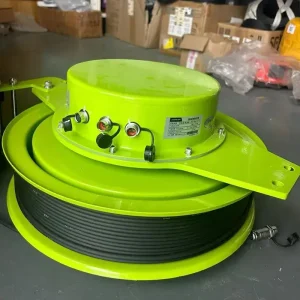
For a product-level reference in the cable-reel group, Jiemanda lists the Zoomlion Crane OEM Current-Type Cable Drum Assembly. Buyers should match the exact crane, part number, cable requirement, connector, mounting, and signal function before treating any catalog assembly as a replacement.
Why Is “It Worked for a Few Days” an Important Clue?
A new reel that works briefly and then develops the same fault often points to an installation or application issue rather than random part failure. The maintenance record should be reviewed for repeated wear location, cable exit angle, boom position at failure, connector tension, and whether the replacement had the same mechanical and electrical specification as the original.
Five hidden costs commonly appear when this pattern is ignored:
- Multiple express shipments of replacement assemblies
- Repeat technician travel and crane isolation time
- Damage to connectors or harnesses caused by excessive cable tension
- Longer fleet downtime while the true root cause remains unresolved
- Loss of confidence in suppliers when the real mismatch is in application data
A good supplier evaluation therefore considers the quality of troubleshooting questions. A supplier who asks for crane identity, old part number, reel photos, cable route, fault position, connector, and boom-travel information may provide more value than a supplier who immediately quotes the lowest-cost reel from one photo.
What Does a Representative Troubleshooting Scenario Look Like?
Scenario: A rental fleet experiences intermittent boom-length signal loss after a cable reel replacement. This is a representative troubleshooting scenario, not a claimed Jiemanda customer case.
Business Background: A mobile crane receives a replacement reel after the original cable is damaged. The new assembly initially functions, but operators later report that the displayed boom information becomes unstable near the same extension point.
Problem: The fleet plans to order another reel because the first replacement is assumed to be defective.
Cause: The maintenance team reproduces the fault and finds that the signal interruption is strongly related to boom position. The as-found inspection also shows abnormal cable tracking near one guide. The original RFQ did not include routing photos, installed winding direction, or a comparison of the removed and replacement assemblies.
Solution: The crane is isolated under the approved service procedure. The team documents the full cable path, checks the reel and guide alignment, verifies the installed part number and cable requirement, and uses the approved electrical test method to distinguish the moving cable circuit from the downstream controller input. A replacement is selected only after the root cause and required assembly specification are confirmed.
Buyer Decision Value: The fleet avoids ordering a second part on assumption alone. Procurement now requires a fault-position record, cable-routing photos, original and replacement part numbers, connector details, and machine identity before approving urgent reel purchases. The result is a faster diagnostic loop and lower repeat-downtime risk.
What Should Buyers Send When a Replacement Reel Is Actually Needed?
Once troubleshooting confirms that replacement is appropriate, the RFQ should describe both the component and the operating application.
| RFQ Field | Buyer Information | Why the Supplier Needs It |
|---|---|---|
| Machine identity | Crane brand, model, machine identification, boom configuration | Distinguishes applications that may use different reel assemblies. |
| Original reel | Full label, part number, revision, manufacturer marking, photos | Creates the primary replacement reference. |
| Cable requirement | Existing cable length, route, anchor position, boom travel, cable exit and visible construction details | Helps confirm the correct usable length and mechanical arrangement. |
| Mechanical installation | Bracket, mounting dimensions, guide position, winding direction, available clearance | Reduces the risk of misalignment or reversed installation. |
| Electrical interface | Connector photos, pin count, known signal function, cable termination, related controller/LMI information | Separates a mechanically similar reel from an electrically compatible assembly. |
| Fault evidence | Symptom, boom position, direction of movement, photos of damage, maintenance history | Allows the supplier to assess whether the proposed replacement addresses the observed problem. |
| Commercial need | Quantity, fleet forecast, destination, packaging, urgency, OEM or labeling requirement | Supports an accurate quotation, lead time, and spare-parts plan. |
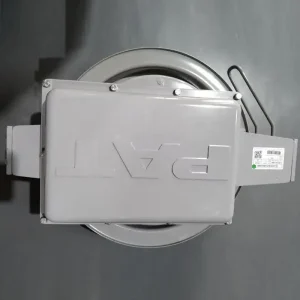
Another Jiemanda product reference for this application group is the PAT LWC 321 Series Crane Cable Reel Assembly. As with any reel assembly, buyers should confirm the exact application and interface before purchase rather than using the product family name as the sole matching criterion.
How Can Distributors Reduce Repeat Cable-Reel Returns?
A distributor should record more than the sold part number. Each successful field match can be converted into a controlled application record containing the crane model, original number, approved replacement, cable route, connector, installation notes, and the symptom that led to replacement.
This helps prevent three recurring sales problems:
- Different customers ordering the same-looking reel for incompatible crane configurations
- Returns caused by cable length or exit direction rather than product quality
- Repeated warranty disputes when the root cause is routing, alignment, or installation damage
For high-usage fleet customers, distributors can also discuss a spare strategy based on verified machine populations rather than stocking one generic reel for every crane. A smaller number of correctly mapped spare parts can be more valuable than a larger stock of uncertain substitutes.
Frequently Asked Questions
Why does the cable reel signal fail only at one boom position?
A repeatable position can indicate a moving electrical interruption, a local cable-damage point, connector movement, or a reel/slip-ring continuity issue. Record the exact position and use the approved diagnostic procedure to isolate the fault.
Can too much cable cause a reel problem?
Yes. Excess usable cable can create slack, stacking, poor winding, or operation outside the intended reel travel. The correct requirement depends on the exact reel, routing, anchor point, and boom geometry.
What happens if the replacement cable is too short?
It can become excessively tight near boom extension, reduce the required reserve, and load anchors, connectors, or the reel. Do not judge suitability from total cable length without checking the installed travel path.
Should technicians increase spring tension when the cable becomes slack?
Not without the exact reel procedure and root-cause diagnosis. Slack can also be caused by wrong routing, winding direction, obstruction, misalignment, wrong cable length, or an incorrect reel assembly.
How can I tell whether the fault is the cable or the slip ring?
Use the crane and component’s approved electrical test procedure to isolate the external harness, moving cable conductors, fixed terminations, rotating electrical path, and downstream system. Static continuity alone may miss a position-dependent fault.
Can a visually similar cable reel be used as a replacement?
Only after the crane application, original part number, usable cable requirement, connector, signal function, mounting, winding direction, and other relevant interfaces are confirmed. Similar appearance alone is not sufficient.
What information speeds up an urgent cable-reel quotation?
Send the crane model and machine identification, original reel label and part number, connector photos, cable route and anchor photos, cable length information, winding direction, fault description and boom position, quantity, destination, and required delivery date.
Request a Cable Reel Fault and Replacement Review
Prepare the crane make and model, machine identification, original reel part number, label and connector photos, installed cable route, winding direction, cable length information, anchor position, boom-travel condition, fault symptoms, the boom position where the fault appears, quantity, destination, and delivery requirement. Submit them through Jiemanda’s contact and quotation page. The team can review available cable-reel options, identify missing application data, support replacement matching, and prepare a quotation with the proposed product scope, assumptions, packaging, and exclusions.
Feature Product
-
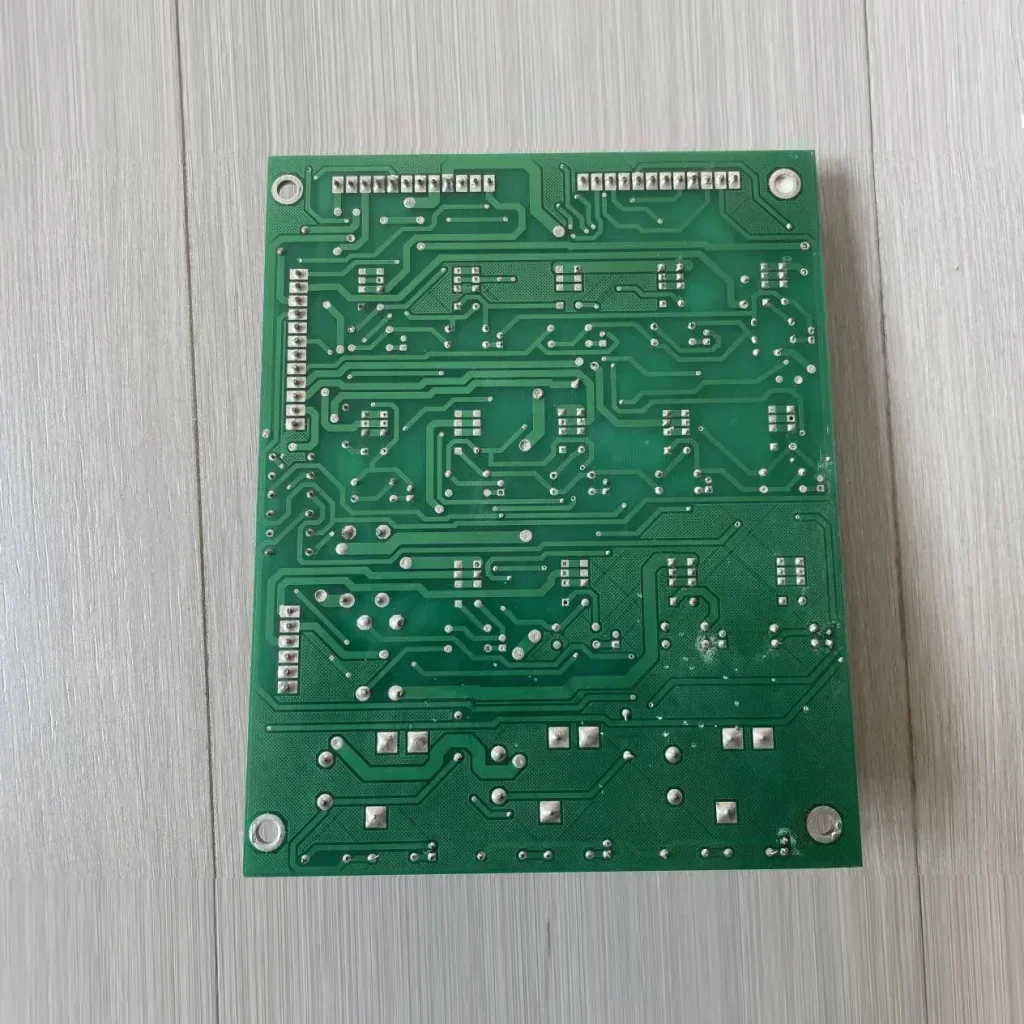 Zoomlion Original Power Control Board – ...
🔹 Core Functions Multi-circuit Power Distrib...
-
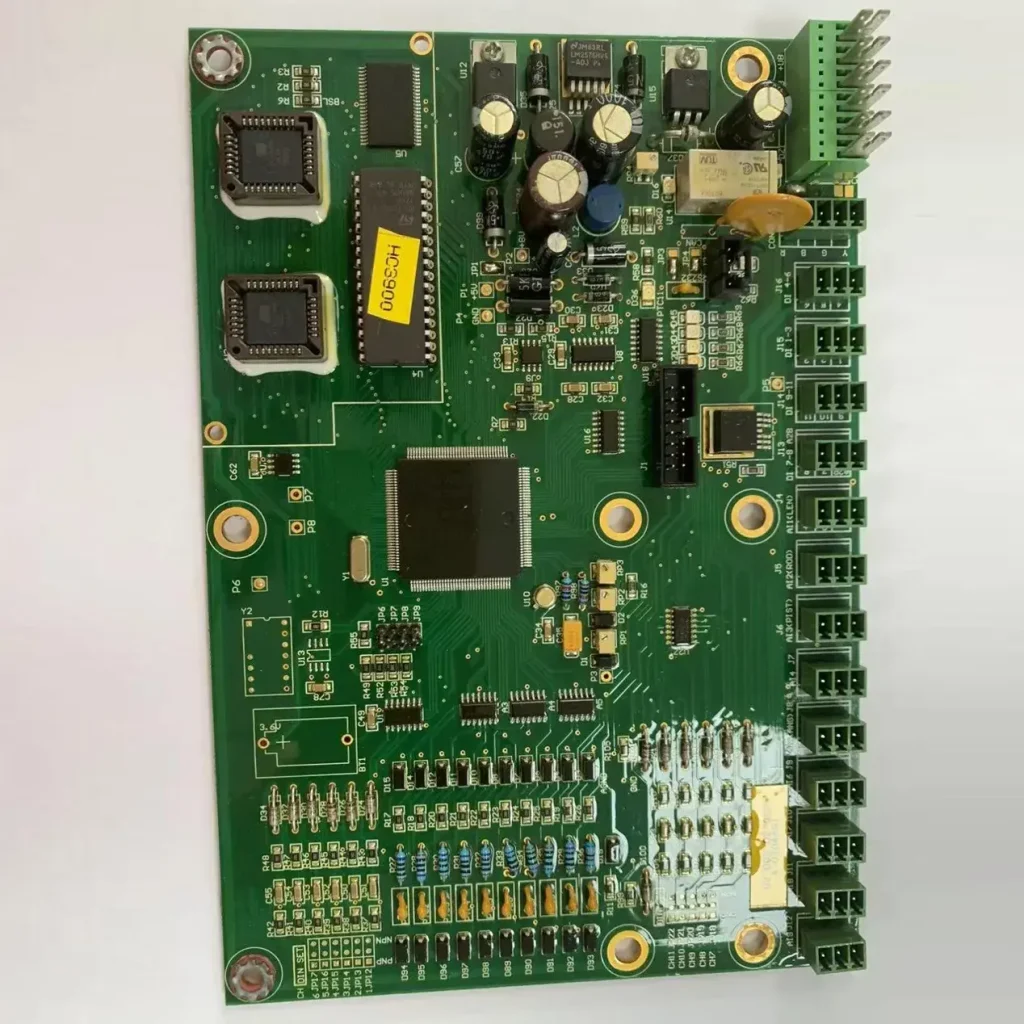 XCMG HC3900 Crane Upper Computer Mainboard
Key Selling Points OEM Direct Compatibility ...
-
 Zoomlion Mobile Crane Load Moment Indicator (LM...
Product Overview This is an original equipment...