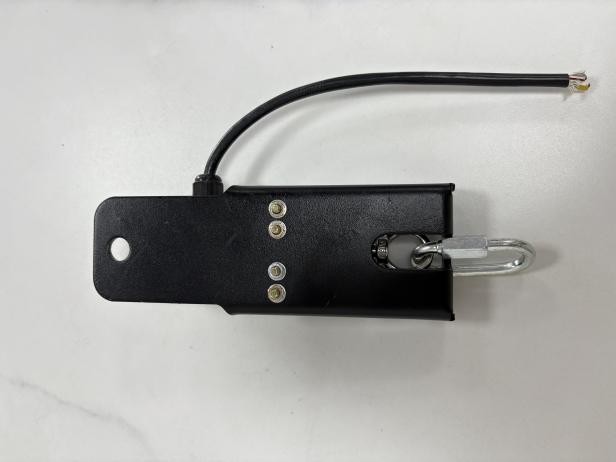
SANY Crane Height Limiter (Anti-Overwinding Switch)
Designed specifically for SANY and various types of lifting equipment, this is a core safety device to prevent hook overtravel and ensure construction safety.
Read More
+86 18652221058

Crane Anti-Two-Block Device Sourcing in China: Manufacturer, Factory and Supplier Guide | Jiemanda
Use this page to evaluate China Crane Anti-Two-Block Device Manufacturer, Factory & Suppliers from the perspective of export order preparation. It brings together related products, practical selection checks, and buyer questions so your inquiry can be more specific from the beginning.
For a factory purchasing team, the most useful starting point is installation, usage, and after-sales questions. Review the product matches, comparison notes, FAQs, and recent buyer-style feedback before sending final requirements.
Designed specifically for SANY and various types of lifting equipment, this is a core safety device to prevent hook overtravel and ensure construction safety.
Read More
This is an original factory-equipped wireless anti-overwind protection device for XCMG truck-mounted cranes. It monitors the boom height in real time, triggering an audible-visual alarm and cutting off dangerous movements when the lifting height approaches a critical threshold. This effectively prevents safety accidents such as wire rope breakage due to overwinding and boom damage from overextension, making it a core component for safe lifting operations.
Read More
This product is the original factory-matched height limiter (anti-overwinding switch) for SANY truck cranes, specifically designed for safe crane operations. When the hook rises to the preset height, the device automatically cuts off the hoist’s lifting circuit and triggers an audible-visual alarm, preventing safety accidents such as hook overtravel and wire rope breakage. It is an indispensable safety protection device for lifting operations.
Read More
The GJ-1 Anti-Overwinding Switch is a safety protection device designed specifically for engineering lifting equipment, primarily used in the hoisting mechanisms of mobile cranes, crawler cranes, and similar machinery. It triggers automatically when the hook reaches the preset upper limit position, cutting off the power supply to prevent equipment damage and safety accidents caused by wire rope overwinding. It is a core component for ensuring safe lifting operations.
Read More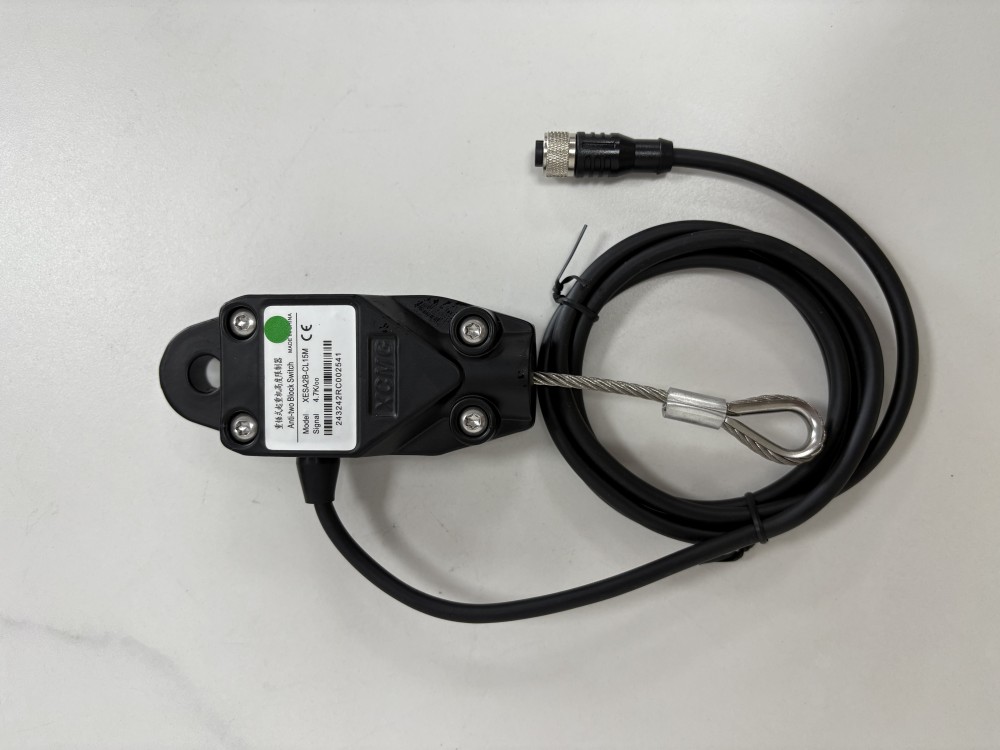
This device is a safety protection component designed for various lifting equipment. It uses a weight sensor to detect the hook position. When the hook rises to the preset height, it automatically cuts off the hoisting power circuit to prevent collision between the hook and the top of the boom (anti-two block/anti-overwinding), effectively protecting equipment and personnel safety. Built with industrial-grade protection, it withstands harsh outdoor working conditions of construction machinery and is a mandatory core component required by lifting machinery safety regulations.
Read More
Engineered for harsh industrial environments, it stably records critical data to ensure operational safety and traceability of your equipment.
Read MoreProduct Guide
The related product list helps you compare China Crane Anti-Two-Block Device Manufacturer, Factory & Suppliers by actual product direction rather than keyword wording alone. Check whether each product supports export order preparation, then use the table below to prepare a clearer RFQ.
| Criterion | What To Check | Why It Matters | Buyer Tip |
|---|---|---|---|
| Crane fit | Confirm hoist type, rope path, hook block | Avoid mismatch before RFQ | Send crane photos/drawings |
| Installation | Ask mounting method and wiring needs | Reduces site changes | Request install diagram |
| Usage setting | Indoor/outdoor, duty, voltage | Matches working conditions | List operating environment |
| Sample review | Confirm sample, label, manual, package | Supports export approval | Use a sample checklist |
| After-sales | Ask spare parts, troubleshooting, response | Limits downtime risk | Clarify support terms |
If you are searching for a crane anti-two-block device supplier in China, start by matching the device to the crane type, working condition, installation position, and required control or warning function.
A clear inquiry should include the application, expected quantity, destination market, sample needs, and questions about installation, usage, inspection, packaging, and after-sales support.
Before requesting a quote, confirm where the anti-two-block device will be used and what problem it needs to solve. Share the crane model, lifting environment, installation space, and any existing system details so the supplier can check application matching more accurately.
For export order preparation, organize your RFQ around technical details, sample confirmation, and order handling. Include target quantity, sample request, destination country, preferred packaging, documentation needs, and expected delivery schedule.
Compare related products by function, connection method, installation requirements, durability considerations, and compatibility with your crane setup. If you are unsure which product type is suitable, ask the supplier to explain the difference between available options.
When reviewing supplier replies, look beyond unit price. Check whether the response addresses installation, usage, quality checks, sample approval, spare parts, and after-sales questions clearly enough for your purchasing team to make the next decision.
| Criteria | Importance | Description | Example Options |
|---|---|---|---|
| Application match | High | Fits crane type and hoist layout | Tower, mobile, or overhead crane |
| Installation method | High | Defines mounting and wiring work | Boom tip switch with cable |
| Signal compatibility | High | Matches crane control system | Normally open or closed output |
| Sample review | Medium | Checks fit before bulk order | Confirm cable length and bracket |
| After-sales support | Medium | Helps resolve installation issues | Wiring diagram and troubleshooting guide |
Recommended Products
Top product matches should be reviewed by fit, specification clarity, customization readiness, and how well they support RFQ preparation. Use these factors to shortlist practical options before contacting the supplier.

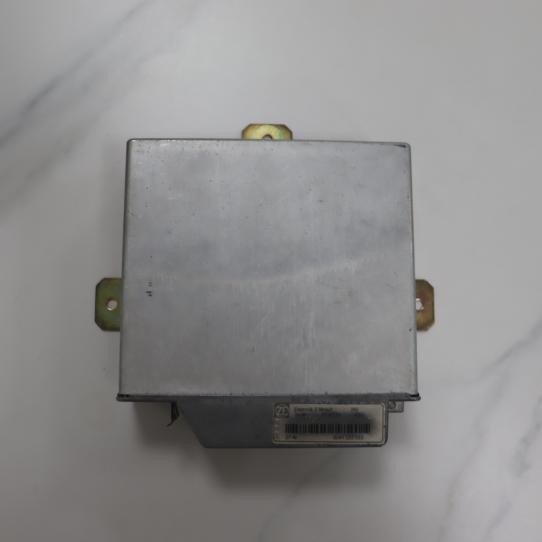


We have completed the packaging of a batch of XCMG truck crane parts in our warehouse, and the goods will be shipped to a long-term cooperative customer in the Middle East market. The parts cover a variety of high-frequency consumables, including pulleys, cables, displays, headlights, controllers, sensors, A2B limiters, display button films, hydraulic sensors, displacement […]
Instructions The specific meaning of crane fault code E02 varies depending on the crane model and control system. The core meanings applicable to mainstream XCMG, Zoomlion, and Sany cranes are as follows: Core Meaning Classification Zoomlion and other models (related to the hoisting mechanism): Indicates overcurrent during hoisting acceleration. During the acceleration process of hoisting, […]
Crane accessories refer to the general term for various components of cranes. What are the commonly used crane accessories in daily operations? And how to conduct proper safety inspections on these accessories? Below is a detailed explanation to help ensure operational safety. Drum Focus on checking whether the drum body and its edges have fatigue […]
We have completed the packaging of a batch of XCMG truck crane parts in our warehouse, and the goods will be shipped to a long-term cooperative customer in the Middle East market. The parts cover a variety of high-frequency consumables, including pulleys, cables, displays, headlights, controllers, sensors, A2B limiters, display button films, hydraulic sensors, displacement […]
Use buyer-style feedback to understand common review situations, such as confirming export order needs, organizing sample questions, checking application details, and shortlisting related products before supplier contact.
I used the tag page to frame better questions about anti two block device in crane applications before contacting China suppliers for technical clarification.
The content helped me separate crane model details from anti two block device requirements, which made my sourcing notes more organized and less generic.
I found it useful for checking what to ask a manufacturer about crane anti-two-block device fit, wiring, and operating conditions before follow-up.
I used the page to compare how different suppliers describe anti two block device in crane use cases without losing the buyer perspective.
Include crane type, hoist configuration, boom or jib layout, rated voltage, control interface, working environment, and required quantity. Clear application details help suppliers judge device matching, installation method, and quotation scope.
Confirm switch type, counterweight or actuator design, cable length, enclosure material, mounting position, wiring diagram, and reset behavior. These details help ensure the sample matches the crane structure before export order planning.
Anti-two-block devices focus on preventing hook block contact with the boom tip or upper sheave area. Compare them with overload limiters, height limit switches, and wind alarms based on function, installation point, and control signal needs.
Ask about applicable crane models, signal output, voltage range, environmental suitability, wiring method, installation accessories, and maintenance checks. Avoid assuming compatibility; share drawings or photos so the supplier can review the application.
Discuss appearance inspection, wiring continuity, switch actuation, reset response, labeling, packaging suitability, and document requirements. Buyers can also request sample test notes or inspection references relevant to their crane application.
Request installation guidance, wiring support, troubleshooting steps, spare part identification, and communication method for technical questions. For export orders, clarify how installation feedback, photos, or videos should be shared for remote support.
Send your inquiry with crane type, application details, quantity range, destination, sample needs, and after-sales questions so the supplier can respond with more relevant product and order information.