
+86 18652221058
- English
- Chinese
- French
- German
- Portuguese
- Spanish
- Russian
- Japanese
- Korean
- Arabic
- Irish
- Greek
- Turkish
- Italian
- Danish
- Romanian
- Indonesian
- Czech
- Afrikaans
- Swedish
- Polish
- Basque
- Catalan
- Esperanto
- Hindi
- Lao
- Albanian
- Amharic
- Armenian
- Azerbaijani
- Belarusian
- Bengali
- Bosnian
- Bulgarian
- Cebuano
- Chichewa
- Corsican
- Croatian
- Dutch
- Estonian
- Filipino
- Finnish
- Frisian
- Galician
- Georgian
- Gujarati
- Hausa
- Hawaiian
- Hebrew
- Hmong
- Hungarian
- Icelandic
- Igbo
- Javanese
- Kannada
- Kazakh
- Khmer
- Kurdish
- Kyrgyz
- Latin
- Latvian
- Lithuanian
- Luxembou..
- Macedonian
- Malagasy
- Malay
- Malayalam
- Maltese
- Maori
- Marathi
- Mongolian
- Burmese
- Nepali
- Norwegian
- Pashto
- Persian
- Punjabi
- Serbian
- Sesotho
- Sinhala
- Slovak
- Slovenian
- Somali
- Samoan
- Scots Gaelic
- Shona
- Sindhi
- Sundanese
- Swahili
- Tajik
- Tamil
- Telugu
- Thai
- Ukrainian
- Urdu
- Uzbek
- Vietnamese
- Welsh
- Xhosa
- Yiddish
- Yoruba
- Zulu
- Kinyarwanda
- Tatar
- Oriya
- Turkmen
- Uyghur

Can Cranes Be Operated Remotely? | Xuzhou Jiemanda Construction Machinery Co . , Ltd.
Sep-17-2026
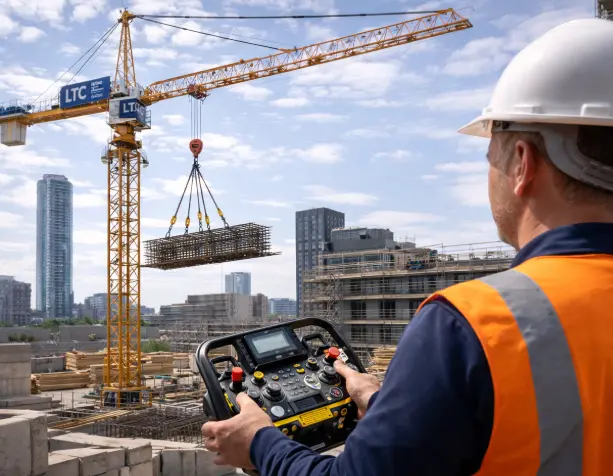
The short answer is yes — and for many industries, remote operation has already become the default way to run a crane. Factory overhead cranes, construction tower cranes, mobile truck cranes and crawler cranes can all be controlled by an operator standing on the ground with a wireless transmitter instead of sitting in a cab.
In this guide, we explain how remote control crane systems work, which cranes use them, how they stay safe under international standards, and what keeps a remote control crane running reliably year after year.
The Short Answer: Yes, Cranes Can Be Operated Remotely
Remote operation means the crane is driven from an operator interface that is not located on the crane itself. In practice, that interface is almost always a handheld radio transmitter with joysticks, switches and buttons, connected by a secure wireless link to a receiver mounted on the crane.
Today, remote control is standard equipment on many crane types:
- Overhead and gantry cranes in factories, workshops and warehouses, where operators often walk beside the load for a better view.
- Tower cranes on construction sites, increasingly operated from the ground or from an adjacent position.
- Truck-mounted and mobile cranes, where remote control is used for rigging, positioning and precision work.
- Crawler cranes, which frequently combine cab operation with a remote control for assembly, lifting and fine positioning.
- Loader cranes on trucks, which are commonly operated with a radio remote control for loading and unloading cargo.
How Does Remote Crane Control Work?
A remote control crane works through a simple but carefully engineered chain:
- The transmitter. The operator’s handheld unit converts joystick and switch movements into commands. Industrial transmitters typically operate in licence-free radio bands such as 433 MHz, 868/915 MHz or 2.4 GHz, and many use frequency-hopping spread spectrum to avoid interference from other equipment on site.
- The radio link. The command signal is encoded with a crane-specific address so that one transmitter cannot accidentally operate a neighbouring crane.
- The receiver and controller. An onboard receiver decodes the signal and drives the crane’s motion controls — contactors, relays, valves or a PLC — to move the hoist, trolley, boom, swing and travel functions.
- Safety logic. Industrial systems are fail-safe by design: the crane stops automatically if the signal is lost, if the transmitter battery fails, or if the operator releases the controls. Emergency stop buttons, dead-man switches and two-step enable buttons prevent unintended motion.
- Protection systems stay active. On mobile and crawler cranes, the load moment indicator (LMI) computer continues to monitor boom angle, length, load and radius in remote mode, and can limit or interrupt motions that would exceed the rated capacity.
Why Do Companies Operate Cranes Remotely?
Remote control crane operation is chosen for practical, measurable reasons:
- Better visibility and safety. The operator stands where the load and surroundings are clearly visible, away from the load path and pinch points, instead of relying on mirrors and signals from a fixed cab position.
- No time spent climbing. The operator stays on the ground, which speeds up rigging, hooking and unhooking cycles.
- Flexibility. One operator can move between several cranes in a workshop or yard, and can reposition themselves during a lift as the view changes.
- Simpler machine design. Cranes without a cab cost less to build and maintain, and free up floor space in production facilities.
Are Remote Control Cranes Safe?
Yes — when the system is designed to recognized safety standards, installed correctly and used by trained operators. Remote operation is an internationally accepted practice. ISO 12480-1:2024, the international standard for the safe use of cranes, now includes dedicated requirements for remote operation, which it defines as operation using an operator interface not located on the crane. Standards such as ISO 13851 also cover the two-hand control devices used in many industrial remote controls, while ISO 15817 specifies essential safety requirements for remote operator control systems on earth-moving machinery. In North America, OSHA regulations and the ASME B30 crane standards govern safe operation, and crane remote control systems are designed to meet these requirements.
The standards also flag the areas that require care. Guidance for tower cranes, for example, notes that an operator working remotely has no physical “feel” for the machine, and that line-of-sight control systems can lose alignment when the crane rotates. Well-designed industrial radio systems address these issues with proportional controls, clear feedback, fail-safe logic and proper operator training — which is why training and routine pre-use checks matter as much as the hardware itself.
What Can Go Wrong — and Why Parts Quality Matters
Remote-operated cranes are electronic machines, and their weakest points are usually the same components that see the most use:
- handheld transmitters that are dropped, knocked or exposed to dust and moisture;
- joysticks and switches that wear out after thousands of cycles;
- antennas, cables and connectors damaged on site;
- receivers and control boards that fail under heat, vibration or voltage surges;
- load moment indicator computers and sensors that drift or lose calibration.
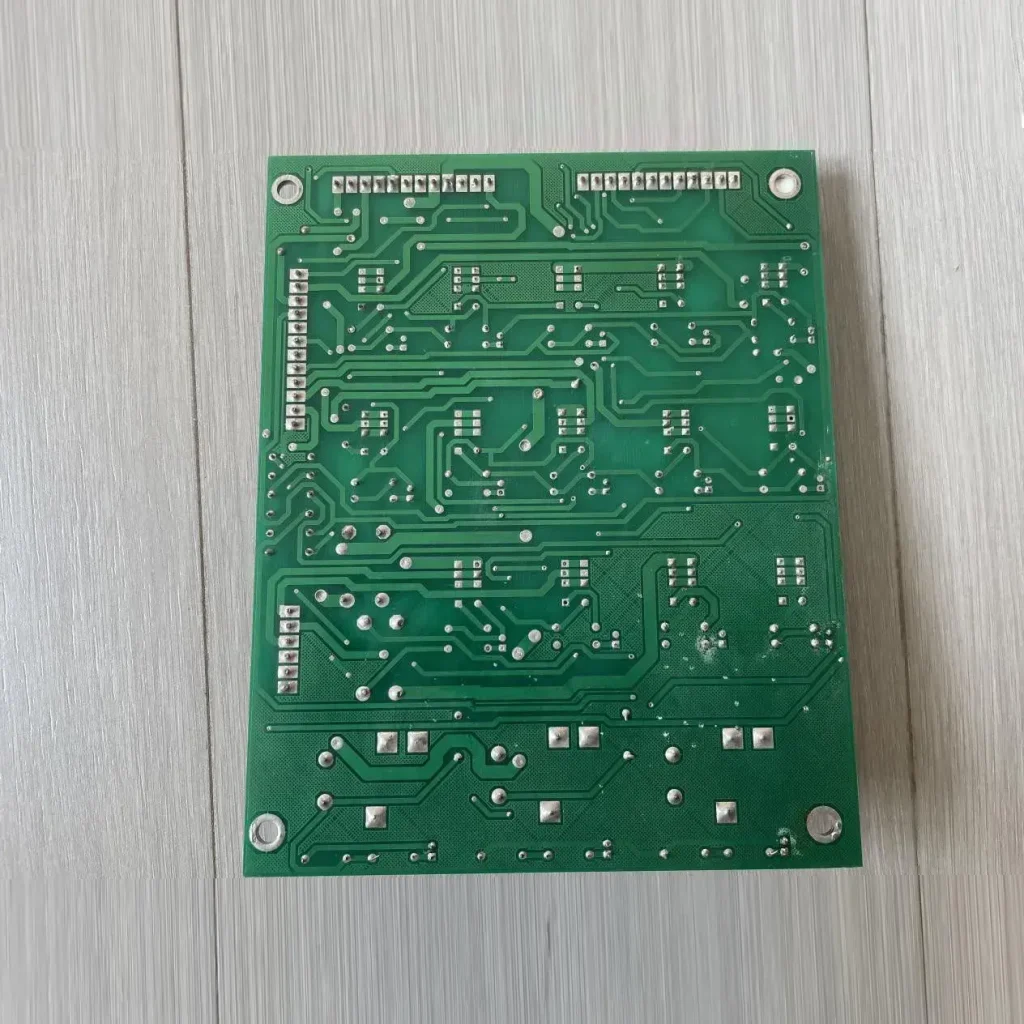
When any of these fails, the crane stops — and in lifting operations, downtime is expensive. This is why fleet owners insist on quality parts for crane electronic control systems, from genuine and OEM-grade control boards to LMI computers and sensors, and why many prefer a supplier that can identify the correct part quickly and deliver it fast.
How a Crane Parts Specialist Keeps Remote-Operated Cranes Running
Xuzhou Gemanda Construction Machinery Co., Ltd. (Jiemanda) has spent 22 years serving exactly this need. Based in Xuzhou, Jiangsu Province — at the heart of China’s construction machinery cluster, close to the XCMG base — the company is a professional wholesaler of construction machinery parts, equipment manufacturer and maintenance service provider. Its core business is the supply of parts for truck cranes and crawler cranes of the XCMG, Zoomlion and Sany brands, together with full-vehicle LMI torque display computers and the maintenance of electronic control parts — the very components that keep remote-operated cranes safe and productive.
Jiemanda holds an inventory covering more than 90% of commonly used crane parts, with regular parts delivered within 1–3 days and custom-programmed LMI computers completed and shipped within 3–5 days. A strict three-tier quality control system covers raw materials, production processes and finished products, and pre-shipment videos or images are provided for confirmation. With exports to more than 90 countries and regions, bonded warehouse inventory, a 3-month quality guarantee and no minimum order quantity, the company also offers efficient online video technical support to help customers diagnose and solve equipment failures quickly.
Conclusion
Can cranes be operated remotely? Absolutely. Remote control crane technology is proven, widely adopted and fully supported by international safety standards. The key to getting the most from it is the same as for any critical lifting equipment: quality components, correct maintenance, and a parts partner who understands the electronics behind the machine.
If you operate or maintain remote-controlled cranes and need control boards, LMI computers, sensors or spare parts for XCMG, Zoomlion or Sany equipment, our team can help. Contact Jiemanda to discuss your requirements — contact us for parts sourcing and technical support.
Frequently Asked Questions
Can cranes be operated remotely?
Yes. Overhead cranes, gantry cranes, tower cranes, mobile cranes, crawler cranes and loader cranes can all be operated remotely using a wireless handheld transmitter, and remote operation is now standard on many new machines.
Are remote-controlled cranes safe?
Yes, when the system meets recognized standards, is installed correctly and is operated by trained personnel. Industrial systems include fail-safe features such as emergency stop, dead-man controls and automatic stop on signal loss, and international standards such as ISO 12480-1:2024 now include dedicated requirements for remote operation.
Which types of cranes can be remotely operated?
In principle, any powered crane can be fitted with remote control. It is most common on overhead and gantry cranes, tower cranes, truck-mounted cranes, crawler cranes and loader cranes.
Do crane operators need special training for remote control?
Yes. Remote operation changes how the operator perceives the machine, so proper training and routine pre-use checks are essential — a point emphasized by crane safety standards in every major market.
What parts keep a remote control crane working reliably?
The transmitter, receiver, joysticks, switches, control boards, wiring, sensors and the load moment indicator computer are the components that see the most wear. Using quality genuine or OEM-grade parts and keeping spares in stock is the most reliable way to avoid downtime.
Feature Product
-
 Zoomlion Original Power Control Board – ...
🔹 Core Functions Multi-circuit Power Distrib...
-
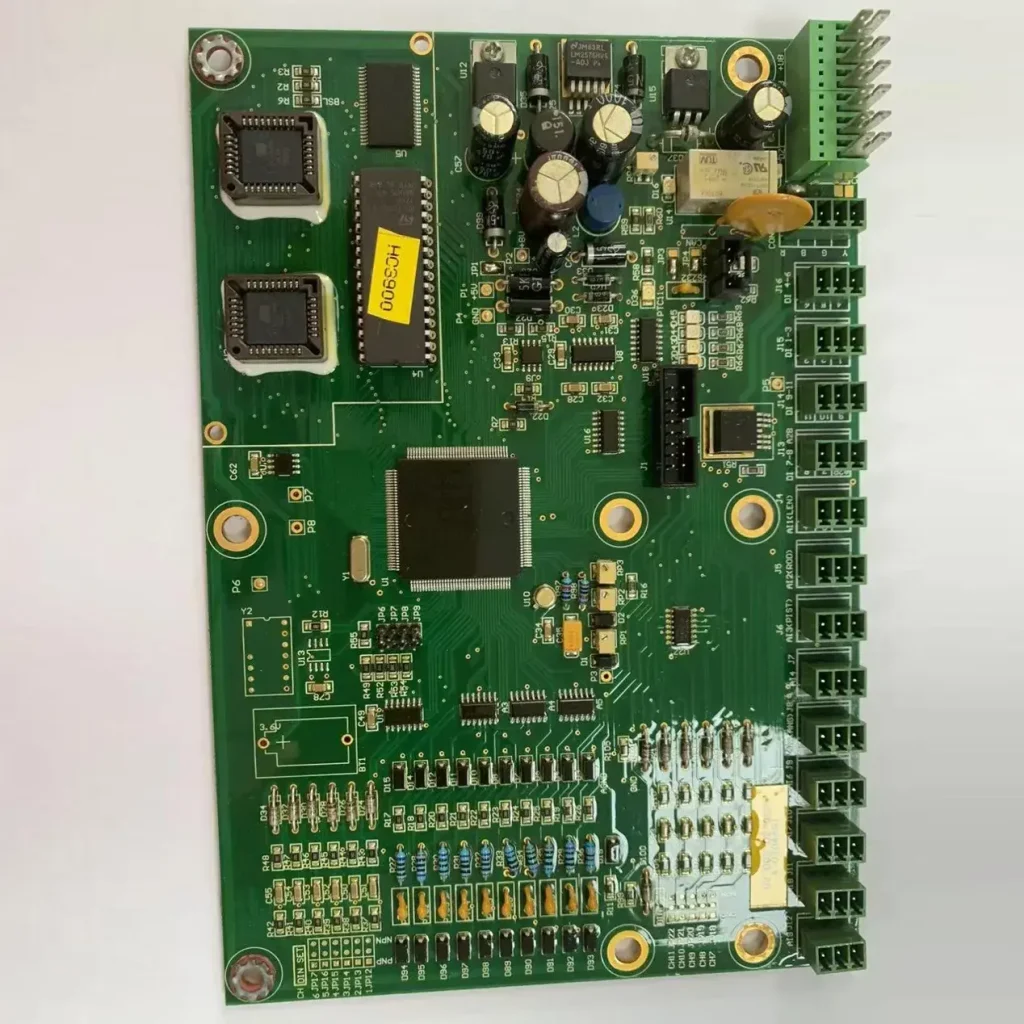 XCMG HC3900 Crane Upper Computer Mainboard
Key Selling Points OEM Direct Compatibility ...
-
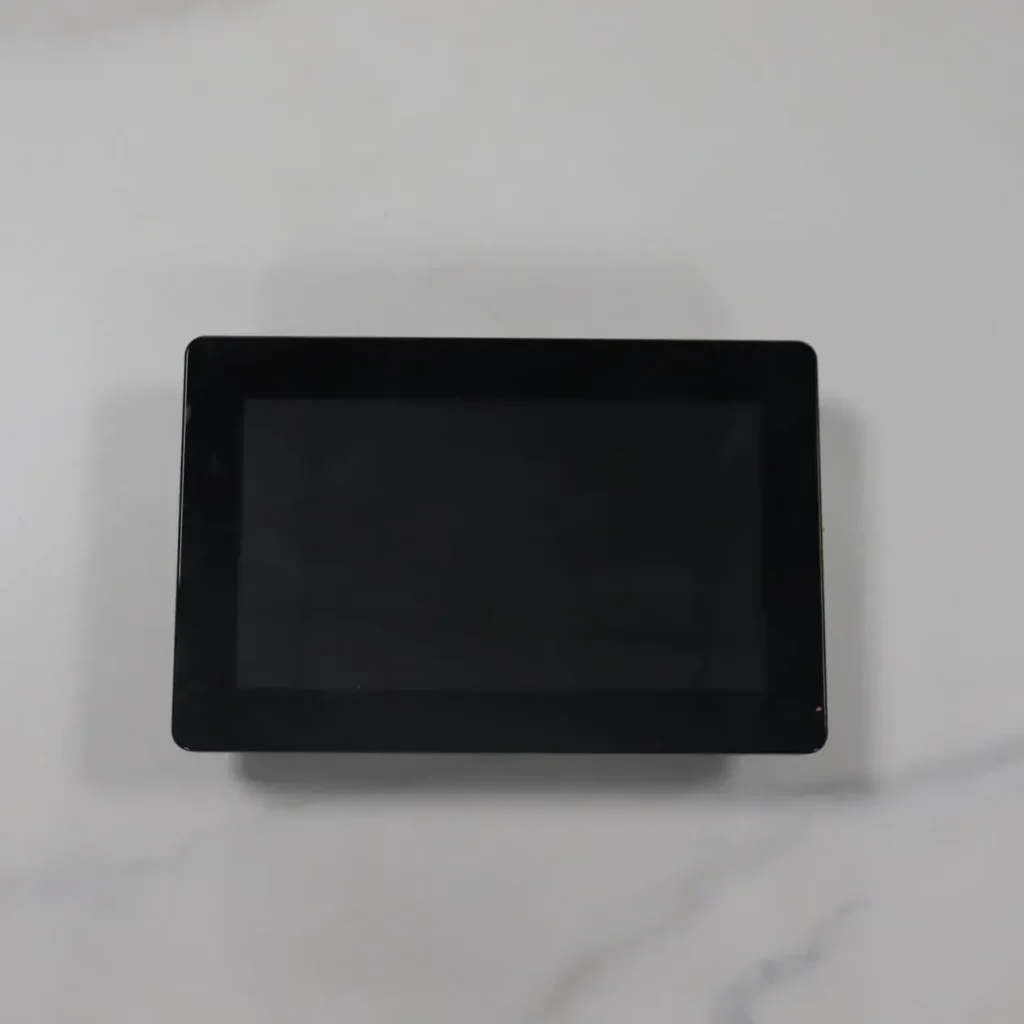 Zoomlion Mobile Crane Load Moment Indicator (LM...
Product Overview This is an original equipment...