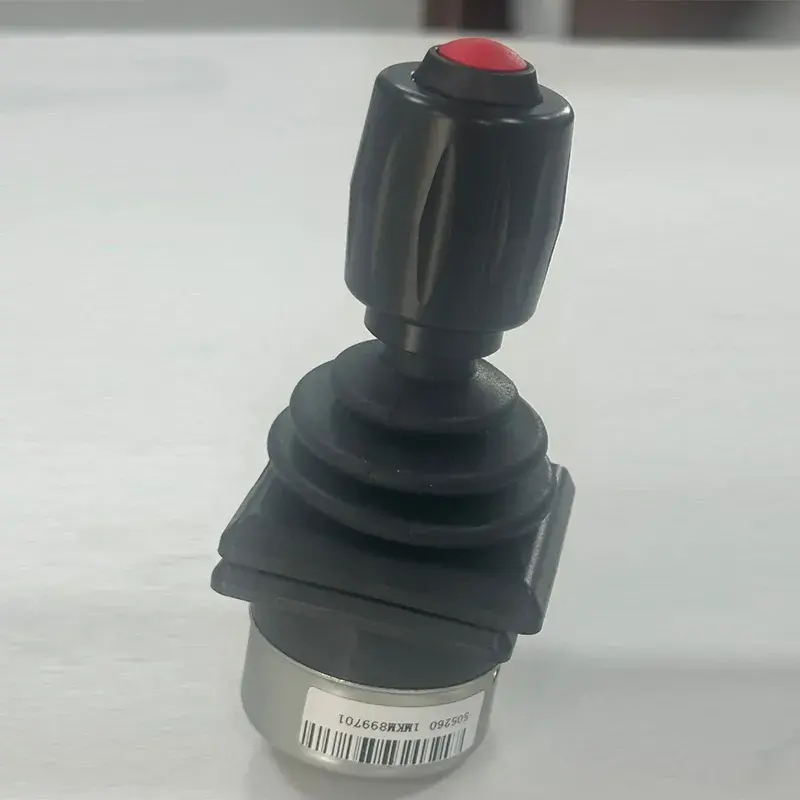
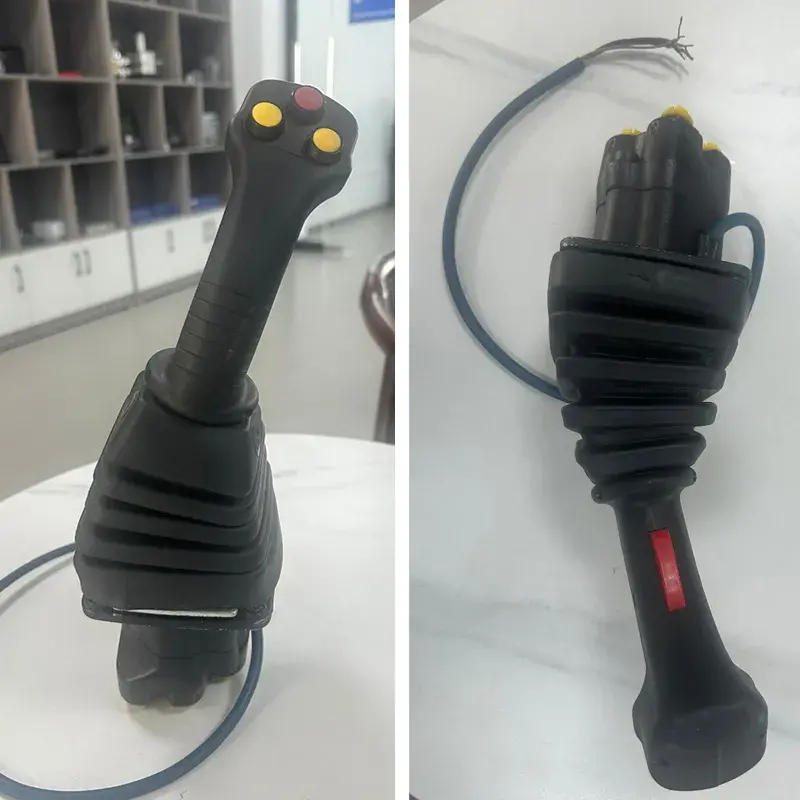
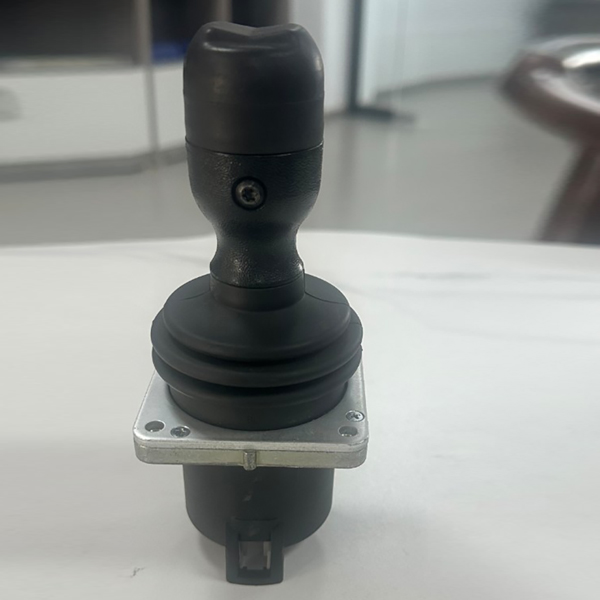
If you are sourcing Australian Standard AS2550 cranes, hoists and winches from China, start by matching the equipment type to the lifting task, site layout, duty needs, and export documentation requirements.
A practical RFQ should include quantity, destination, required configuration, installation environment, sample or drawing references, packaging expectations, and key questions about use, maintenance, and after-sales support.
Begin with the application. Clarify whether the project needs cranes, hoists, winches, or related lifting components, then describe load conditions, operating environment, mounting method, available space, and any AS2550-related requirements requested by the buyer or end user.
Prepare quotation information in a structured way. Include order quantity, target delivery schedule, destination port or address, voltage or control preferences if relevant, packaging requirements, labeling needs, and whether sample confirmation is required before bulk production.
Compare supplier replies by how well they answer installation, usage, and after-sales questions. A useful response should help you understand product matching, optional configurations, spare parts discussion, packaging method, and lead-time assumptions instead of only sending a general price list.
For related product comparison, shortlist options by application fit first, then review cost, configuration, export packing, and communication quality. This approach helps the purchasing team reduce unclear revisions during bulk order preparation.