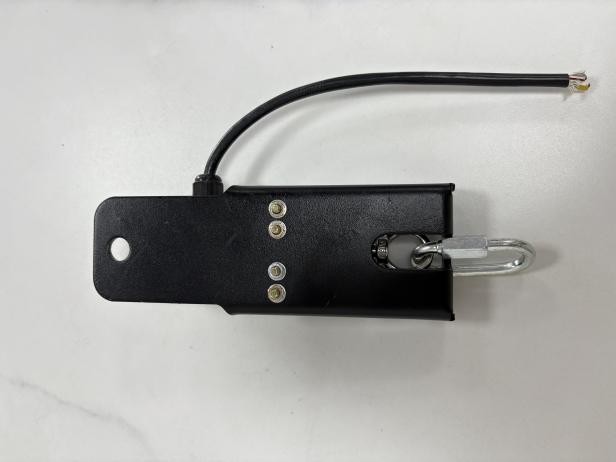
SANY Crane Height Limiter (Anti-Overwinding Switch)
Designed specifically for SANY and various types of lifting equipment, this is a core safety device to prevent hook overtravel and ensure construction safety.
Read More
+86 18652221058

Anti-Two-Blocking Crane Sourcing in China: Manufacturer, Factory and Supplier Guide | Jiemanda
For custom crane projects, anti-two-blocking components need to match the lifting setup, control logic, working environment, and documentation process. This page helps project engineers review China Anti-Two-Blocking Crane Manufacturer, Factory & Suppliers with a focus on reducing specification risk before inquiry.
Use the product links, guide notes, and supplier questions to organize application details, branding needs, packaging expectations, and order planning. Clear requirements make it easier to compare responses and keep the project consistent.
Designed specifically for SANY and various types of lifting equipment, this is a core safety device to prevent hook overtravel and ensure construction safety.
Read More
Core Advantages Industrial-Grade Anti-Interference Design:On-board EMI filter circuit adapts to the complex electromagnetic environment of cranes, avoiding data abnormalities caused by vibration and voltage fluctuations. Traceable Key Components:Core parts such as capacitors and chips are sourced from leading domestic industrial brands, offering a 30% longer lifespan than aftermarket alternatives. Plug-and-Play Installation:Pre-loaded with calibration parameters for […]
Read More
Core Selling Points Original Equipment Fit: Factory-matched board for XCMG QY Series cranes produced between 2006-2010, direct replacement without wiring modification. Stable & Reliable: Adopts industrial-grade components with anti-vibration and anti-interference performance, suitable for complex crane operating environments. Preferred for Maintenance: Rare dedicated mainboard for old cranes in the market, perfectly replacing faulty boards to […]
Read More
This is an original factory-equipped wireless anti-overwind protection device for XCMG truck-mounted cranes. It monitors the boom height in real time, triggering an audible-visual alarm and cutting off dangerous movements when the lifting height approaches a critical threshold. This effectively prevents safety accidents such as wire rope breakage due to overwinding and boom damage from overextension, making it a core component for safe lifting operations.
Read More
This product is the original factory-matched height limiter (anti-overwinding switch) for SANY truck cranes, specifically designed for safe crane operations. When the hook rises to the preset height, the device automatically cuts off the hoist’s lifting circuit and triggers an audible-visual alarm, preventing safety accidents such as hook overtravel and wire rope breakage. It is an indispensable safety protection device for lifting operations.
Read More
The GJ-1 Anti-Overwinding Switch is a safety protection device designed specifically for engineering lifting equipment, primarily used in the hoisting mechanisms of mobile cranes, crawler cranes, and similar machinery. It triggers automatically when the hook reaches the preset upper limit position, cutting off the power supply to prevent equipment damage and safety accidents caused by wire rope overwinding. It is a core component for ensuring safe lifting operations.
Read MoreAnti-Two-Blocking Crane Product Guide
The related product list helps you compare China Anti-Two-Blocking Crane Manufacturer, Factory & Suppliers by actual product direction rather than keyword wording alone. Check whether each product supports custom specification confirmation, then use the table below to prepare a clearer RFQ.
| Criterion | What To Check | Why It Matters | Buyer Tip |
|---|---|---|---|
| Application fit | Match crane type, hook travel, and block risk points. | Prevents wrong device selection during custom confirmation. | Share lifting diagram and duty cycle. |
| Customization scope | Confirm brand label, wiring, housing, and interface needs. | Keeps project identity and system consistency aligned. | List mandatory and optional custom items. |
| Signal compatibility | Verify output type, voltage, and control cabinet connection. | Reduces integration errors on site. | Send panel drawings before quotation. |
| Supplier communication | Ask for parameter sheet, sample questions, and revision process. | Avoids unclear specs in bulk preparation. | Use one approved spec version. |
| Packaging and lead time | Confirm export packing, labels, batch marks, and schedule. | Supports site receiving and project tracking. | Request packing photos before shipment. |
China Anti-Two-Blocking Crane Manufacturer, Factory & Suppliers are typically evaluated by application fit, customization ability, communication clarity, and readiness to confirm technical details before production. A suitable supplier should understand where the anti-two-blocking system will be installed and what project constraints must be followed.
For project engineers, the best inquiry includes crane type, operating conditions, required interface details, quantity range, branding requirements, packaging needs, and target lead time. This helps suppliers respond with relevant options instead of a general product list.
Start with the crane application. Confirm the crane type, lifting height, hook arrangement, working environment, voltage or signal requirements, and whether the anti-two-blocking device must integrate with an existing control system. If drawings or photos are available, include them to reduce misunderstanding.
Next, define the customization scope. For brand consistency, ask whether labels, product markings, housing color, user documentation, packaging, or kit configuration can follow your project requirements. Keep these details in one checklist so every supplier answers the same questions.
Before requesting a quotation, prepare the quantity range, sample requirement, destination country, expected delivery schedule, inspection points, and packing method. For bulk orders, also ask how specification changes, carton labeling, spare parts, and repeat-order consistency will be managed.
When comparing suppliers, look for clear technical follow-up, practical confirmation steps, and willingness to review your application details. A careful response can help reduce sourcing risk, especially when the project involves custom specification confirmation.
| Criteria | Importance | Description | Example Options |
|---|---|---|---|
| Application match | High | Confirms crane fit before selection. | Hoist type, hook travel |
| Customization scope | High | Aligns product with project branding. | Label, color, interface |
| Technical communication | High | Reduces drawing and wiring errors. | Revision-controlled diagrams |
| Order preparation | Medium | Clarifies bulk configuration needs. | Model list, markings |
| Packaging plan | Medium | Supports safe project handling. | Separated accessories |
Recommended Products
Top product matches should be reviewed by fit, specification clarity, customization readiness, and how well they support buyer risk reduction. Use these factors to shortlist practical options before contacting the supplier.

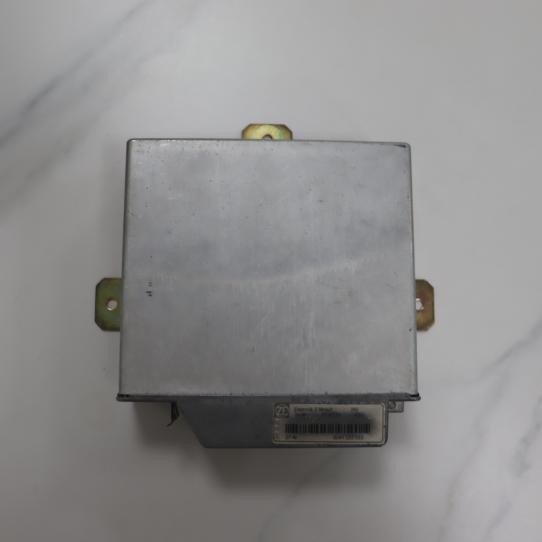

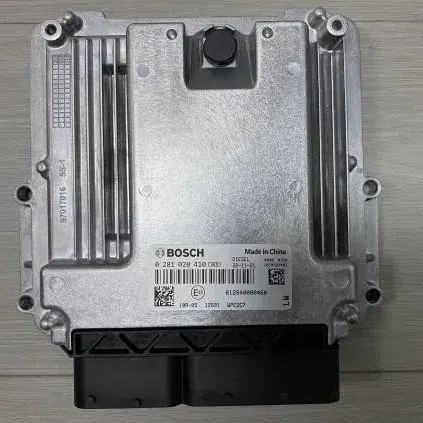


We have completed the packaging of a batch of XCMG truck crane parts in our warehouse, and the goods will be shipped to a long-term cooperative customer in the Middle East market. The parts cover a variety of high-frequency consumables, including pulleys, cables, displays, headlights, controllers, sensors, A2B limiters, display button films, hydraulic sensors, displacement […]
Instructions The specific meaning of crane fault code E02 varies depending on the crane model and control system. The core meanings applicable to mainstream XCMG, Zoomlion, and Sany cranes are as follows: Core Meaning Classification Zoomlion and other models (related to the hoisting mechanism): Indicates overcurrent during hoisting acceleration. During the acceleration process of hoisting, […]
Crane accessories refer to the general term for various components of cranes. What are the commonly used crane accessories in daily operations? And how to conduct proper safety inspections on these accessories? Below is a detailed explanation to help ensure operational safety. Drum Focus on checking whether the drum body and its edges have fatigue […]
We have completed the packaging of a batch of XCMG truck crane parts in our warehouse, and the goods will be shipped to a long-term cooperative customer in the Middle East market. The parts cover a variety of high-frequency consumables, including pulleys, cables, displays, headlights, controllers, sensors, A2B limiters, display button films, hydraulic sensors, displacement […]
Recent buyer-style notes can help you organize sample questions, confirm application details, shortlist related products, and plan a custom project with fewer unclear points.
I used the anti two blocking crane tag to separate safety control questions from general hoist requirements before sending our maintenance team’s inquiry.
The page helped me ask clearer questions about anti two blocking crane functions, especially how the device should fit our existing lifting workflow.
I was shortlisting anti two blocking crane options and appreciated having a focused page that kept our discussion around limit protection needs.
Before reaching out to a China anti two blocking crane manufacturer, I used the tag page to align our operations notes with practical safety checks.
Share crane type, lifting height, reeving arrangement, hook block details, operating environment, and control logic expectations. This helps the supplier check whether the anti-two-blocking device concept matches the project’s lifting risk points.
Discuss enclosure style, signal output, alarm interface, mounting method, cable routing, labeling language, color preference, and documentation format. These details support brand consistency while keeping the specification aligned with the crane design.
Use drawings, wiring diagrams, photos of the crane area, terminal requirements, and a clear revision record. Confirm who approves technical changes so the manufacturer and buyer work from the same specification version.
Prepare target quantity, model variations, required markings, packing format, inspection points, spare parts needs, and project schedule milestones. Avoid relying only on a product name because configurations can differ across crane applications.
Ask which technical inputs are needed before scheduling, whether drawings or samples affect timing, and how custom labeling or packaging influences production planning. This keeps the discussion practical without depending on unconfirmed delivery commitments.
Confirm unit protection, labeling, accessory separation, moisture considerations, carton or crate preference, and document placement. Packaging should match handling conditions and help site teams identify each item during installation preparation.
Send your crane type, installation details, quantity range, branding needs, packaging requirements, and target lead time so the supplier can review your project more accurately.