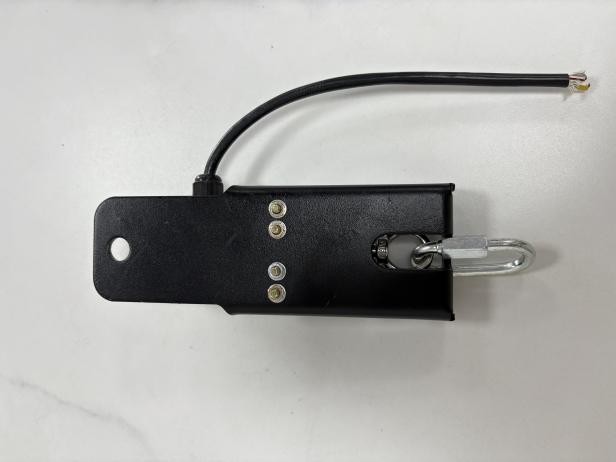
SANY Crane Height Limiter (Anti-Overwinding Switch)
Designed specifically for SANY and various types of lifting equipment, this is a core safety device to prevent hook overtravel and ensure construction safety.
Read More
+86 18652221058

Anti Sway And Position Control Of Crane System Sourcing in China: suppliers, factory and Manufacturer | Jiemanda
Use this page to evaluate China Anti Sway And Position Control Of Crane System Manufacturer, Factory & Suppliers from the perspective of export order preparation. It brings together related products, practical selection checks, and buyer questions so your inquiry can be more specific from the beginning.
For a factory purchasing team, the most useful starting point is installation, usage, and after-sales questions. Review the product matches, comparison notes, FAQs, and recent buyer-style feedback before sending final requirements.
Designed specifically for SANY and various types of lifting equipment, this is a core safety device to prevent hook overtravel and ensure construction safety.
Read More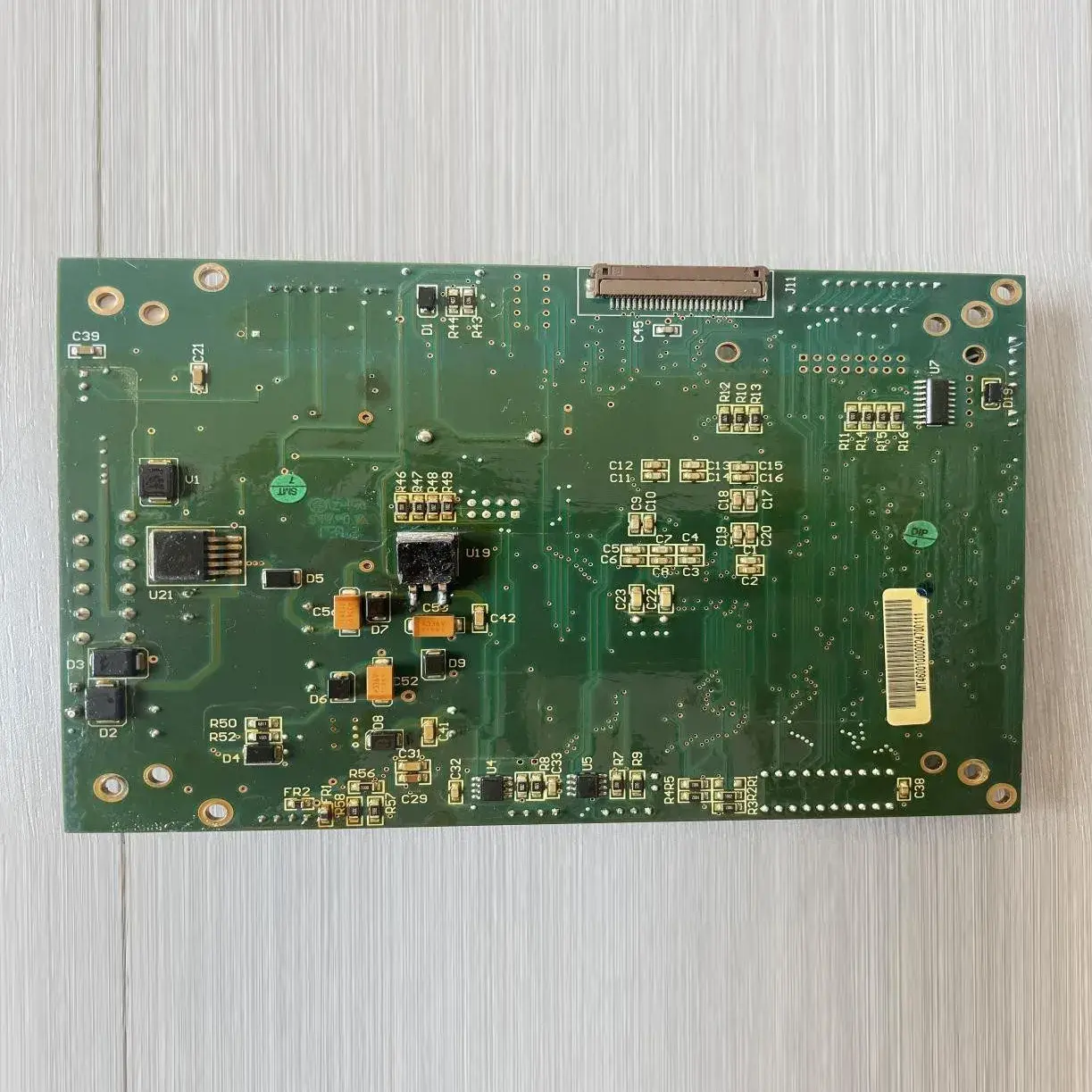
This is a high-cost-performance replacement for the original Hirschmann IC4600 computer, designed exclusively for XCMG cranes. Our mainboard has undergone 12 months of outdoor working condition testing, achieving 100% compatibility. It can directly replace faulty mainboards to quickly restore parameter display and motion control functions of the crane’s upper computer, significantly reducing maintenance costs and downtime.
Read More
This industrial-grade Hall effect joystick is engineered for harsh operating environments. It utilizes non-contact Hall sensing technology to deliver precise 3-axis analog output, and integrates an emergency trigger button. It is widely used in the control systems of aerial work platforms, construction machinery, special vehicles, and automated equipment. The combination of a rubber dust cover and metal base ensures stable operation even in dusty, humid, and high-vibration conditions.
Read More
The IFEX5T series motherboard is the core computing and control unit of crane safety monitoring systems. It integrates high-precision data acquisition, multi-condition safety logic calculation, and real-time fault diagnosis.
Read More
This motherboard serves as the core control unit of crane safety monitoring systems, designed for overhead, gantry, tower, crawler, and other crane types. It real-time collects and processes critical safety data such as load weight, boom angle, and operating radius, and communicates with display terminals via CAN bus to enable overload warning, data logging, and fault diagnosis. It is an essential component for ensuring safe lifting operations.
Read More
Core Selling Points Original Equipment Fit: Factory-matched board for XCMG QY Series cranes produced between 2006-2010, direct replacement without wiring modification. Stable & Reliable: Adopts industrial-grade components with anti-vibration and anti-interference performance, suitable for complex crane operating environments. Preferred for Maintenance: Rare dedicated mainboard for old cranes in the market, perfectly replacing faulty boards to […]
Read MoreProduct Guide for RFQ Preparation
The related product list helps you compare China Anti Sway And Position Control Of Crane System Manufacturer, Factory & Suppliers by actual product direction rather than keyword wording alone. Check whether each product supports export order preparation, then use the table below to prepare a clearer RFQ.
| Criterion | What To Check | Why It Matters | Buyer Tip |
|---|---|---|---|
| Crane fit | Span, load, speed | Confirms application match | Share crane drawings in RFQ |
| Control scope | Anti-sway plus positioning | Avoids missing functions | List required motion axes |
| Installation needs | Panel, sensors, wiring | Supports site planning | Ask for wiring diagram |
| Export order details | MOQ, packing, documents | Prepares bulk purchase | Confirm HS code and manuals |
| After-sales support | Remote help, spare parts | Reduces downtime risk | Ask response time |
If you are searching for China Anti Sway And Position Control Of Crane System Manufacturer, Factory & Suppliers, start by matching the system to your crane type, operating environment, load requirements, and control expectations.
A useful supplier inquiry should include application details, target quantity, destination, lead-time needs, and questions about installation guidance, operation support, custom options, and after-sales communication.
Before requesting a quotation, define where the anti sway and position control of crane system will be installed, what crane equipment it must work with, and what usage problems it should help manage. Clear application notes help the supplier confirm whether a standard option or a customized configuration is more suitable.
For export order preparation, include quantity range, delivery destination, expected shipment timing, required documents, and any packaging or labeling needs. If your team is still comparing options, ask suppliers to explain model differences, installation requirements, and compatibility points in simple terms.
When reviewing replies, pay attention to how each supplier handles technical questions. Strong communication should cover application fit, wiring or control integration basics, commissioning support, operator use, maintenance points, and after-sales contact procedures.
For bulk order preparation, confirm sample availability, production lead time, inspection arrangements, spare parts options, and how changes will be managed before mass production. This reduces misunderstanding between purchasing, engineering, and supplier teams.
| Criteria | Importance | Description | Example Options |
|---|---|---|---|
| Crane compatibility | High | Matches crane type and drive setup | Bridge crane with inverter travel |
| Control interface | High | Defines signal and communication needs | PLC, encoder, HMI signals |
| Installation data | Medium | Supports layout and wiring review | Cabinet drawing and site photos |
| Customization scope | Medium | Aligns functions with process needs | Positioning zones and operator language |
| After-sales support | High | Clarifies troubleshooting and guidance | Remote parameter checking process |
Recommended Products
Top product matches should be reviewed by fit, specification clarity, customization readiness, and how well they support RFQ preparation. Use these factors to shortlist practical options before contacting the supplier.


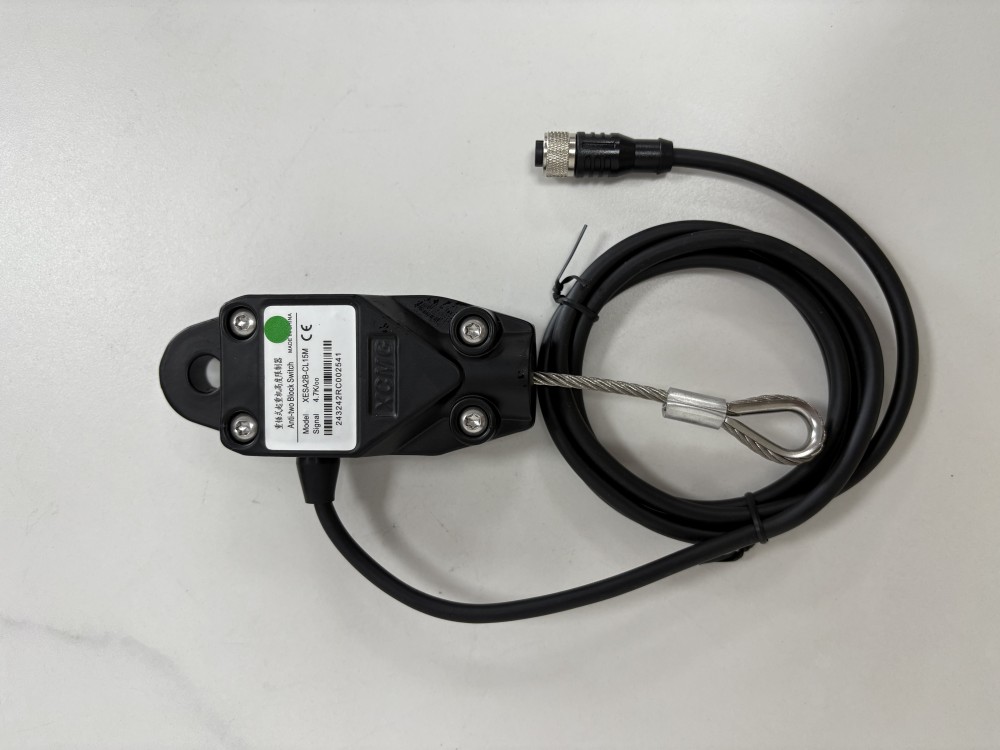
Instructions The specific meaning of crane fault code E02 varies depending on the crane model and control system. The core meanings applicable to mainstream XCMG, Zoomlion, and Sany cranes are as follows: Core Meaning Classification Zoomlion and other models (related to the hoisting mechanism): Indicates overcurrent during hoisting acceleration. During the acceleration process of hoisting, […]
We have completed the packaging of a batch of XCMG truck crane parts in our warehouse, and the goods will be shipped to a long-term cooperative customer in the Middle East market. The parts cover a variety of high-frequency consumables, including pulleys, cables, displays, headlights, controllers, sensors, A2B limiters, display button films, hydraulic sensors, displacement […]
Crane accessories refer to the general term for various components of cranes. What are the commonly used crane accessories in daily operations? And how to conduct proper safety inspections on these accessories? Below is a detailed explanation to help ensure operational safety. Drum Focus on checking whether the drum body and its edges have fatigue […]
We have completed the packaging of a batch of XCMG truck crane parts in our warehouse, and the goods will be shipped to a long-term cooperative customer in the Middle East market. The parts cover a variety of high-frequency consumables, including pulleys, cables, displays, headlights, controllers, sensors, A2B limiters, display button films, hydraulic sensors, displacement […]
Use recent buyer-style notes to see how other purchasing teams organize export order needs, sample questions, application details, and related product shortlists.
I used the anti sway and position control of crane system page to frame my inquiry around load stability, travel accuracy, and controller integration.
I was comparing crane automation options, and this tag page helped me ask better questions about anti sway logic, positioning feedback, and operator workflow.
Before sending details to a China supplier, I used this page to separate anti sway performance needs from general crane control features.
This helped me refine our shortlist by focusing on position control behavior, sway reduction expectations, and what information to request from a manufacturer.
Include crane type, rated load, span, lifting height, travel speed, control method, power supply, operating environment, and target functions. Clear drawings, photos, or existing electrical schematics help Jiemanda review installation and application matching.
Share the crane model, drive configuration, inverter brand, encoder status, PLC interface, and current control cabinet layout. Jiemanda can compare these details against system requirements and identify possible adaptation points before quotation discussions.
Common topics include control logic, positioning accuracy requirements, operator interface language, cabinet integration, sensor selection, communication protocol, and mounting arrangement. Customization should be linked to the actual crane duty, workshop layout, and operating process.
Ask about installation guidance format, remote troubleshooting process, spare part identification, software parameter support, maintenance documents, and training materials. These questions help the purchasing team evaluate post-purchase communication without relying only on product descriptions.
List each crane separately with parameters, control cabinet status, application process, and required functions. Grouping cranes by similar structure or working cycle helps Jiemanda review configuration consistency and reduce clarification rounds during RFQ preparation.
Buyers can ask which technical confirmations affect production scheduling, such as drawings, interface details, component choices, inspection requirements, and export documentation. The supplier can then explain the factors that may influence timing for the discussed order.
Send your inquiry with crane application details, quantity, destination, expected lead time, customization needs, and after-sales questions for a clearer supplier response.