
+86 18652221058
- English
- Chinese
- French
- German
- Portuguese
- Spanish
- Russian
- Japanese
- Korean
- Arabic
- Irish
- Greek
- Turkish
- Italian
- Danish
- Romanian
- Indonesian
- Czech
- Afrikaans
- Swedish
- Polish
- Basque
- Catalan
- Esperanto
- Hindi
- Lao
- Albanian
- Amharic
- Armenian
- Azerbaijani
- Belarusian
- Bengali
- Bosnian
- Bulgarian
- Cebuano
- Chichewa
- Corsican
- Croatian
- Dutch
- Estonian
- Filipino
- Finnish
- Frisian
- Galician
- Georgian
- Gujarati
- Haitian
- Hausa
- Hawaiian
- Hebrew
- Hmong
- Hungarian
- Icelandic
- Igbo
- Javanese
- Kannada
- Kazakh
- Khmer
- Kurdish
- Kyrgyz
- Latin
- Latvian
- Lithuanian
- Luxembou..
- Macedonian
- Malagasy
- Malay
- Malayalam
- Maltese
- Maori
- Marathi
- Mongolian
- Burmese
- Nepali
- Norwegian
- Pashto
- Persian
- Punjabi
- Serbian
- Sesotho
- Sinhala
- Slovak
- Slovenian
- Somali
- Scots Gaelic
- Shona
- Sindhi
- Sundanese
- Swahili
- Tajik
- Tamil
- Telugu
- Thai
- Ukrainian
- Urdu
- Uzbek
- Vietnamese
- Welsh
- Xhosa
- Yiddish
- Yoruba
- Zulu
- Kinyarwanda
- Tatar
- Oriya
- Turkmen
- Uyghur

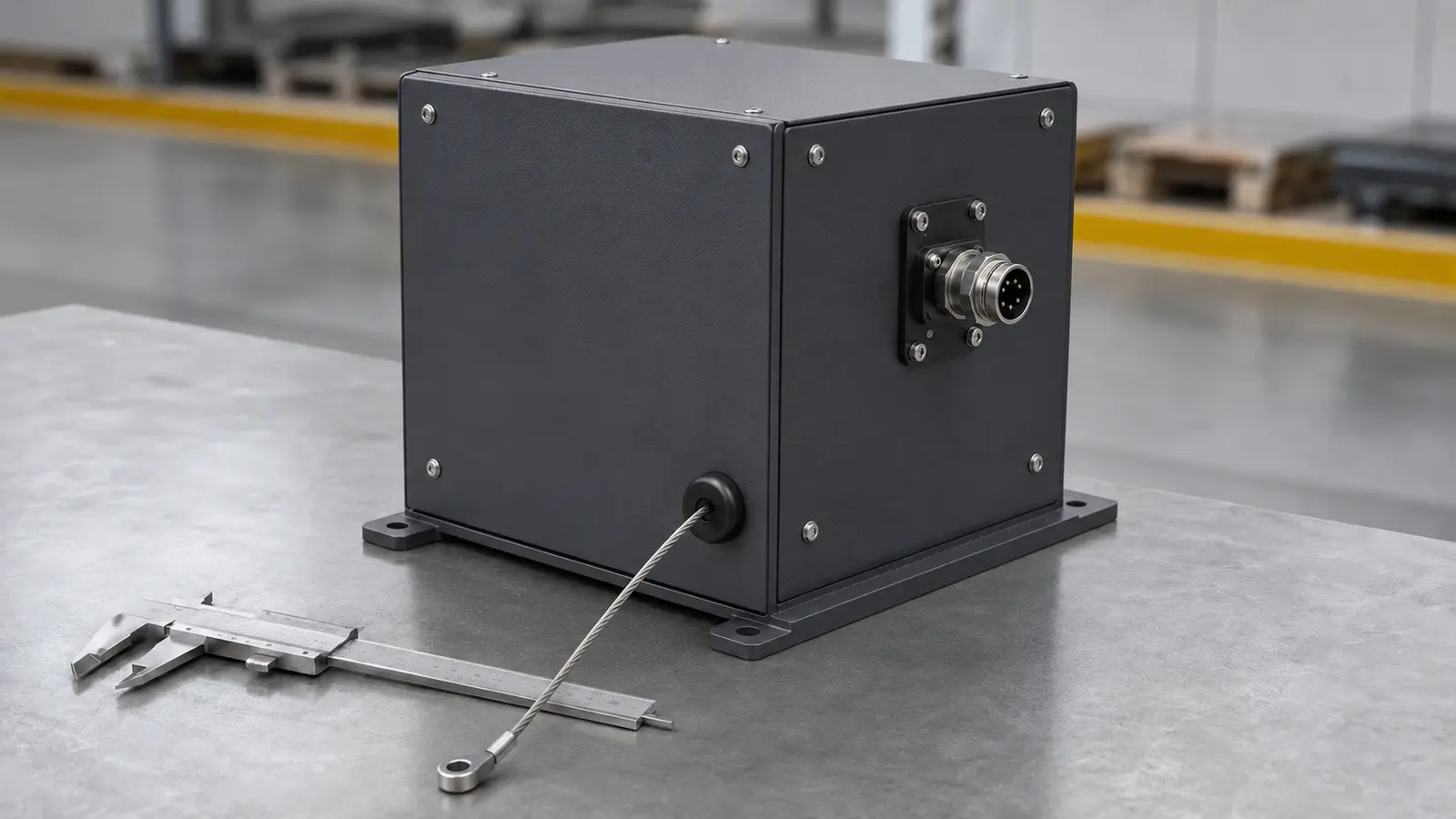
Direct answer: Before ordering a ZOOMLION DX-25B cable reel, buyers should confirm the crane model and serial range, original reel identification, cable stroke, signal type, mounting pattern, connector and pin assignment, cable exit direction, environmental protection, and the acceptance evidence required before shipment. A matching model label alone is not enough. The reel has to fit the boom mechanically, communicate correctly with the existing load moment indicator system, and maintain stable cable tension throughout the usable boom travel.
This distinction matters because the cable reel is not simply a storage drum. On a telescopic mobile crane, it forms part of the boom-length measurement path. A mechanical mismatch can damage the measuring cable, while an electrical mismatch can produce an incorrect or unstable length signal even when the housing appears to fit.
Start With the Crane, Not the Reel Photograph
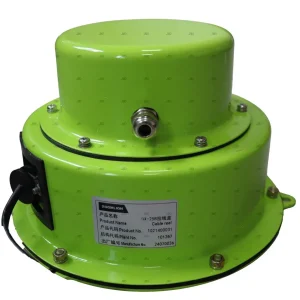
Photographs help identify the product family, but they cannot establish compatibility on their own. Similar housings may contain different spring settings, potentiometers, cable lengths, connector layouts, or mounting arrangements. Buyers should therefore build the inquiry from the machine outward.
The first identification package should include the crane brand, full model, serial number or production period, rated lifting class, and the model of the installed load moment indicator. For a replacement, add clear photographs of the original nameplate, complete reel, mounting face, cable outlet, connector, and surrounding boom installation. If the original unit has been repaired or modified, note that as well; a nonstandard connector or bracket can otherwise be mistaken for the factory configuration.
Jiemanda’s published ZOOMLION Genuine DX-25B cable reel page identifies the unit as a length-sensor cable reel for selected 25-ton ZOOMLION mobile cranes. That is a useful starting boundary, but the exact machine and interface still need confirmation before a purchase order is released.
Which DX-25B Specifications Should Be Frozen?
A specification freeze is a short, controlled record of what the supplier will provide and what the buyer will inspect. It prevents the approved sample, quotation, production batch, and received item from being judged against different assumptions. For this component, the freeze should cover five groups of information.
1. Product identity and application
- Product designation and model: DX-25B cable reel.
- Crane make, model, serial range, and production year when available.
- Original part number and any plant or internal code shown on the removed unit.
- LMI or controller family connected to the reel.
- Whether the order is a direct replacement, retrofit, or spare for inventory.
The supplier’s current product information lists product code 1021400031 and plant code 101267. Buyers should treat these as identifiers to compare, not as substitutes for machine-level verification. A code can be transcribed incorrectly, superseded, or associated with a variant in a particular market.
2. Measuring travel and cable behavior
The published DX-25B specification lists a 5.5 m cable stroke. In an RFQ, however, “5.5 m” should not stand alone. The buyer should clarify whether it refers to usable measuring travel and confirm that the installed boom geometry does not require the reel to operate at either end of its spring range.
Reserve turns matter. If the cable is nearly fully unwound before the boom reaches maximum extension, tension can rise sharply, the cable can pull against the guide, or the spring mechanism can be overstressed. If the reel has too much unused travel, the return force and signal scaling may not suit the intended installation. The RFQ should therefore include the boom travel to be measured, the distance between the reel and cable anchor in the retracted position, and the routing path through any guide points.
3. Electrical signal and interface
The DX-25B page identifies a resistive signal intended for the original system. The important procurement question is not merely whether the output is “resistive,” but whether its total resistance, usable signal range, direction of change, wiring, and controller interpretation match the installed circuit. Two resistive devices can look alike and still produce different readings.
Freeze the connector manufacturer or physical style, keying, terminal count, pin assignment, harness length, and mating condition. Ask for a pinout or continuity map when the buyer’s maintenance record is incomplete. If the original connector has corrosion, pulled wires, or a field repair, provide photographs before assuming the replacement must duplicate the damaged condition.
4. Mechanical installation
The published mounting method is top bolt fixation. That description still needs dimensional confirmation. Record the hole pattern, hole diameter, mounting-face orientation, overall envelope, cable exit direction, and clearance around the drum. A reel that bolts into place but feeds the cable at the wrong angle can create side loading and poor winding.
Also identify the cable-end fitting and boom anchor geometry. The anchor must retain the cable securely without forcing it to bend over a sharp edge. When a bracket is reused, check it for distortion and verify that the reel axis remains aligned with the intended cable path.
5. Housing and environmental protection
Jiemanda’s product information describes a cold-rolled steel housing with powder coating and an IP54 protection class. Buyers should confirm whether this matches the original installation and their operating environment. IP54 is a defined enclosure rating, but it does not guarantee resistance to every cleaning method, salt environment, chemical exposure, impact, or prolonged water ingress.
For cranes working near ports, mines, dusty yards, or frequent washdown areas, the RFQ should state the actual exposure. The supplier can then confirm whether the offered configuration is suitable or whether additional installation protection is needed.
A Practical DX-25B Specification Freeze Table
| Item to freeze | Buyer input | Supplier confirmation | Acceptance evidence |
|---|---|---|---|
| Crane application | Model, serial range, year, LMI family | Compatible application boundary | Written match record |
| Product identity | Nameplate and part-code photos | DX-25B and offered code | Nameplate photo before shipment |
| Cable travel | Boom travel and routing dimensions | Usable stroke and reserve condition | Extension and retraction check |
| Signal | Original readings or controller requirements | Resistance range, direction, pinout | Bench measurement record |
| Mounting | Hole spacing and installation photos | Mounting drawing or measured dimensions | Dimensional inspection photos |
| Connector | Front, side, and wire-color views | Mating connector and terminal map | Connector close-up and continuity check |
| Housing protection | Dust, rain, washdown, corrosion exposure | Material, coating, and stated IP class | Visual finish inspection |
Why a Sample Can Fit but Still Fail in Service
A sample approval often focuses on appearance and bolt alignment. Those checks are necessary, but they do not prove functional compatibility. Three less-visible issues account for many field problems.
First, signal scaling may be wrong. A reel can produce a smooth electrical output while the controller interprets the value as the wrong boom length. The display may look stable but be offset or scaled incorrectly. The acceptance plan should therefore compare at least two known boom positions, not only a retracted reading.
Second, the winding path may be unstable. Incorrect reel orientation, side pull, poor guide alignment, or inadequate reserve turns can cause crossing, abrasion, or sudden tension changes. A complete functional check extends and retracts the cable through the intended travel while observing drum behavior.
Third, connector compatibility may be superficial. The plug can mate while the pin assignment differs. Applying power or connecting a signal line to the wrong terminal can produce incorrect readings and may damage a circuit. Pin-level confirmation should come before installation.
What Inspection Evidence Should Buyers Request?
Evidence should correspond to the risk. A useful pre-shipment package does not need to be elaborate, but it should allow the buyer to compare the shipped unit with the frozen specification.
- Clear photos of the complete reel, nameplate, connector, cable end, and mounting face.
- Measured mounting dimensions with a ruler, caliper, or approved drawing reference.
- A cable extension and automatic retraction check over the agreed usable travel.
- Electrical measurements showing the agreed signal behavior and terminal mapping.
- Quantity, packaging, and label confirmation for batch orders.
For repeated purchases, store the accepted evidence with the buyer’s internal part record. Future quotations can then reference a controlled version rather than restarting from informal photographs. Buyers sourcing across several crane brands can also review the broader cable reel box product category without assuming that reels from different systems are interchangeable.
How to Write an RFQ That Produces a Comparable Quote
A strong RFQ separates confirmed facts from open questions. Begin with the equipment identification and the reason for replacement. Attach the original nameplate and installation photographs. Then list the mechanical, electrical, environmental, quantity, packaging, and evidence requirements in a numbered table.
Ask the supplier to mark every line as confirmed, proposed alternative, or information required. This prevents a general statement such as “same as original” from hiding an unresolved interface. If any item cannot be confirmed from the available records, request a sample or drawing review before authorizing the full quantity.
For a quotation tied to a specific crane, buyers can send the machine and reel identification package to Jiemanda. Include the required delivery destination, order quantity, and whether the unit is for immediate repair or planned stock. That context helps separate urgent compatibility checks from ordinary commercial terms.
Frequently Asked Questions
Is every DX-25B cable reel interchangeable?
No. The model designation is important, but buyers should still confirm the crane application, part code, cable stroke, signal behavior, connector pinout, and mounting arrangement. A similar exterior does not prove full interchangeability.
Is a 5.5 m cable stroke enough information for selection?
No. The buyer also needs the actual measuring path, reserve turns, cable anchor position, and routing geometry. Usable travel must cover the application without operating the spring mechanism at an unsafe limit.
Can the reel be approved with a visual inspection only?
Visual inspection can confirm condition and basic geometry, but it cannot verify signal range, pin assignment, or correct scaling in the crane system. Mechanical travel and electrical checks should be included.
What is the minimum information for a replacement inquiry?
Provide the crane model and serial information, original reel nameplate, product and plant codes if visible, complete installation photographs, connector views, and the fault or replacement reason. Measurements are useful when the original unit may have been modified.
Final Procurement Check
The right question is not simply, “Do you have a DX-25B cable reel?” It is, “Can this offered reel be traced to my crane application, connected to my existing system, installed without altering the cable path, and inspected against agreed evidence?” Freeze those points before production or shipment. The resulting quotation will be easier to compare, the incoming inspection will be objective, and the maintenance team will face fewer surprises during installation.
Feature Product
-
 Zoomlion Original Power Control Board – ...
🔹 Core Functions Multi-circuit Power Distrib...
-
 XCMG HC3900 Crane Upper Computer Mainboard
Key Selling Points OEM Direct Compatibility ...
-
 Zoomlion Mobile Crane Load Moment Indicator (LM...
Product Overview This is an original equipment...