+86 18652221058
- Chinese
- French
- German
- Portuguese
- Spanish
- Russian
- Japanese
- Korean
- Arabic
- Irish
- Greek
- Turkish
- Italian
- Danish
- Romanian
- Indonesian
- Czech
- Afrikaans
- Swedish
- Polish
- Basque
- Catalan
- Esperanto
- Hindi
- Lao
- Albanian
- Amharic
- Armenian
- Azerbaijani
- Belarusian
- Bengali
- Bosnian
- Bulgarian
- Cebuano
- Chichewa
- Corsican
- Croatian
- Dutch
- Estonian
- Filipino
- Finnish
- Frisian
- Galician
- Georgian
- Gujarati
- Haitian
- Hausa
- Hawaiian
- Hebrew
- Hmong
- Hungarian
- Icelandic
- Igbo
- Javanese
- Kannada
- Kazakh
- Khmer
- Kurdish
- Kyrgyz
- Latin
- Latvian
- Lithuanian
- Luxembou..
- Macedonian
- Malagasy
- Malay
- Malayalam
- Maltese
- Maori
- Marathi
- Mongolian
- Burmese
- Nepali
- Norwegian
- Pashto
- Persian
- Punjabi
- Serbian
- Sesotho
- Sinhala
- Slovak
- Slovenian
- Somali
- Samoan
- Scots Gaelic
- Shona
- Sindhi
- Sundanese
- Swahili
- Tajik
- Tamil
- Telugu
- Thai
- Ukrainian
- Urdu
- Uzbek
- Vietnamese
- Welsh
- Xhosa
- Yiddish
- Yoruba
- Zulu
- Kinyarwanda
- Tatar
- Oriya
- Turkmen
- Uyghur

Where Can I Buy Crane Parts? Procurement Guide | Xuzhou Jiemanda Construction Machinery Co . , Ltd.
You can buy crane parts from original equipment manufacturers, authorized distributors, specialist crane-parts suppliers, qualified service companies, and reputable industrial-equipment suppliers.
However, the right purchasing channel depends on the type of part, crane model, safety importance, lead time, documentation requirements, and compatibility with the existing equipment.
For safety-critical components, buying by photo, approximate dimensions, or price alone is not enough. Cranes spare parts must match the crane manufacturer’s specifications, rated capacity, duty class, control system, and operating conditions.
Before ordering, provide the supplier with the crane manufacturer, model, serial number, original part number, technical drawings where available, and clear photos of the existing component.
Where Should You Buy Cranes Spare Parts?
There are several common purchasing options.
| Purchasing Channel | Suitable For | Main Advantage | Main Consideration |
|---|---|---|---|
| Original equipment manufacturer | Critical and model-specific parts | Strong compatibility support | Lead time or cost may be higher |
| Authorized distributor | Standard OEM-compatible components | Product traceability and support | Confirm authorized product scope |
| Specialist crane-parts supplier | Mechanical, electrical, and control parts | Broad product availability | Verify exact compatibility |
| Crane-service company | Repairs, installation, and urgent maintenance | Technical support and commissioning | Service availability may vary |
| Industrial-parts supplier | Standard bearings, motors, switches, and hardware | Convenient sourcing | Confirm crane-duty suitability |
| Used-equipment market | Non-critical legacy components | May help with obsolete parts | Requires careful inspection and documentation |
For important lifting components, control parts, brakes, wire rope, hooks, limit devices, and load-related equipment, work with a supplier that can provide clear specifications and technical support.
What Types of Crane Parts Can You Buy?
Cranes spare parts can be divided into several categories.
Mechanical crane parts
Mechanical components are responsible for lifting, movement, rotation, and load handling.
Common mechanical parts include:
- Wire rope
- Hooks
- Hook blocks
- Sheaves
- Drums
- Gearboxes
- Gears
- Wheels
- Bearings
- Couplings
- Shafts
- Brake components
- Hoist assemblies
- Trolley wheels
- End-carriage components
These parts must match the crane’s design, load capacity, duty cycle, and operating environment.
Electrical crane parts
Electrical components control crane movement, lifting functions, safety devices, and communication.
Common electrical parts include:
- Pendant controls
- Radio remote controls
- Contactors
- Relays
- Limit switches
- Control panels
- Variable-frequency drives
- Motors
- Encoders
- Cables
- Cable reels
- Power collectors
- Push buttons
- Transformer components
- PLC modules
Electrical compatibility is essential. Voltage, frequency, control logic, wiring configuration, connector type, and communication protocol must match the existing crane system.
Hydraulic crane parts
Hydraulic components are common in mobile cranes, truck cranes, boom cranes, lifting platforms, and selected special-purpose lifting equipment.
Typical hydraulic parts include:
- Hydraulic cylinders
- Pumps
- Valves
- Hoses
- Seals
- Filters
- Pressure gauges
- Hydraulic motors
- Fittings
- Oil tanks
Hydraulic parts should be selected according to pressure rating, flow requirement, seal material, fluid compatibility, fitting size, and operating temperature.
Crane safety parts
Safety-related components require especially careful procurement and installation.
Common crane safety parts include:
- Overload limiters
- Load indicators
- Emergency-stop devices
- Limit switches
- Anti-collision systems
- Warning lights
- Alarms and horns
- Safety latches
- Rope-guiding devices
- Brake-monitoring components
- Travel-limit devices
Safety parts should never be replaced with unverified alternatives. Confirm that the replacement component is suitable for the crane model and intended operating conditions.
How Do I Find the Correct Crane Part?
The most reliable way to identify a crane part is to begin with the original equipment information.
Provide the following details when requesting a quotation:
- Crane manufacturer
- Crane model
- Crane serial number
- Manufacturing year
- Rated lifting capacity
- Hoist capacity
- Original part number
- Drawing number or revision number
- Component name
- Clear photos of the existing part
- Required quantity
- Installation location
- Electrical specifications, where relevant
- Dimensions and mounting details
- Operating environment
- Urgency and required delivery date
The original part number is usually the best starting point. If the original number is unavailable, a qualified supplier may need dimensional data, technical drawings, electrical information, and photos to identify a compatible replacement.
Are Crane Parts Interchangeable?
Some standard components may be interchangeable, but many crane parts are not.
For example, a bearing, contactor, cable, or bolt may be selected by standard specification. However, wire rope, hooks, brakes, motors, gearboxes, limit switches, control panels, and load-related components may require exact matching.
A replacement part must be checked for:
- Load rating
- Material grade
- Dimensions
- Mounting pattern
- Electrical voltage
- Current rating
- Control signal
- Protection rating
- Speed requirement
- Brake torque
- Duty cycle
- Environmental conditions
- Manufacturer approval, where applicable
Do not assume that a similar-looking part will perform safely on a crane.
What Should You Check Before Buying Wire Rope?
Wire rope is a safety-critical crane component. It should not be selected only by diameter.
Before ordering replacement wire rope, confirm:
- Rope diameter
- Rope construction
- Rope grade
- Core type
- Lay direction
- Number of strands
- Minimum breaking force
- Length
- End termination
- Drum and sheave compatibility
- Lubrication requirement
- Operating environment
- Crane manufacturer’s specification
The replacement rope should match the original crane design or be approved by a qualified technical source for the actual working conditions.
What Should You Check Before Buying Crane Hooks?
Crane hooks must match the lifting capacity, attachment arrangement, safety latch requirement, and intended lifting application.
Important hook specifications include:
- Rated capacity
- Hook type
- Throat opening
- Shank size
- Bearing arrangement
- Safety latch design
- Material specification
- Surface condition
- Load-block compatibility
- Inspection and traceability documentation
A hook that does not match the original load block or crane design can create serious lifting risks.
How to Avoid Buying the Wrong Cranes Spare Parts
The most common procurement mistakes include:
- Ordering by appearance only
- Using incomplete part descriptions
- Ignoring crane model and serial number
- Selecting a lower-rated part to reduce cost
- Forgetting to confirm electrical specifications
- Replacing critical parts without technical review
- Installing incompatible wire rope
- Using non-matching brake or gearbox components
- Ignoring mounting dimensions
- Buying obsolete parts without inspection or traceability
- Skipping functional testing after repair
A better approach is to create a crane-parts record for every major piece of equipment. This record can include original part numbers, drawings, supplier information, maintenance history, inspection results, and recommended spare inventory.
Should You Keep Crane Spare Parts in Stock?
Keeping selected cranes spare parts in stock can reduce downtime, especially for equipment that supports production, logistics, steel handling, warehouse operations, ports, or critical lifting processes.
Common spare parts to consider include:
- Contactors and relays
- Push buttons
- Limit switches
- Brake parts
- Wire rope accessories
- Bearings
- Fuses
- Control cables
- Pendant-control components
- Motor cooling parts
- Warning lights and alarms
The best spare-parts list depends on crane criticality, operating hours, maintenance history, supplier lead time, and the cost of downtime.
Installation and Inspection After Replacement
Purchasing the correct component is only part of the repair process. Installation, adjustment, inspection, and functional testing are equally important.
After replacing a crane part, qualified personnel should check the affected functions, including lifting, lowering, braking, travel, limit devices, alarms, and control response.
For safety-critical repairs, the crane should not return to service until the replacement work has been inspected and confirmed according to the applicable manufacturer guidance, site procedures, and local safety requirements.
Conclusion
You can buy crane parts from OEM channels, authorized distributors, specialist suppliers, service companies, and industrial-parts providers. The best source depends on the part type, crane model, safety importance, documentation requirement, and delivery timeline.
For cranes spare parts, accurate identification is essential. Always confirm the crane manufacturer, model, serial number, original part number, technical specifications, and installation requirements before ordering.
For crane components, industrial sensors, electrical parts, and application-specific sourcing support, please contact XZJMD.
FAQ
Where is the best place to buy crane parts?
For critical or model-specific parts, an OEM, authorized distributor, or qualified crane-parts supplier is usually the best choice. Always confirm part compatibility before purchase.
What information do I need to order crane spare parts?
Provide the crane manufacturer, model, serial number, original part number, rated capacity, photos, dimensions, electrical details, and required quantity.
Can I use a different wire rope on my crane?
Only if the replacement rope matches the crane specification or is approved by a qualified technical source. Diameter alone is not enough.
Are used crane parts safe to buy?
Used parts may be suitable for selected non-critical or obsolete applications, but they should be inspected, documented, and evaluated for compatibility before installation.
Feature Product
-
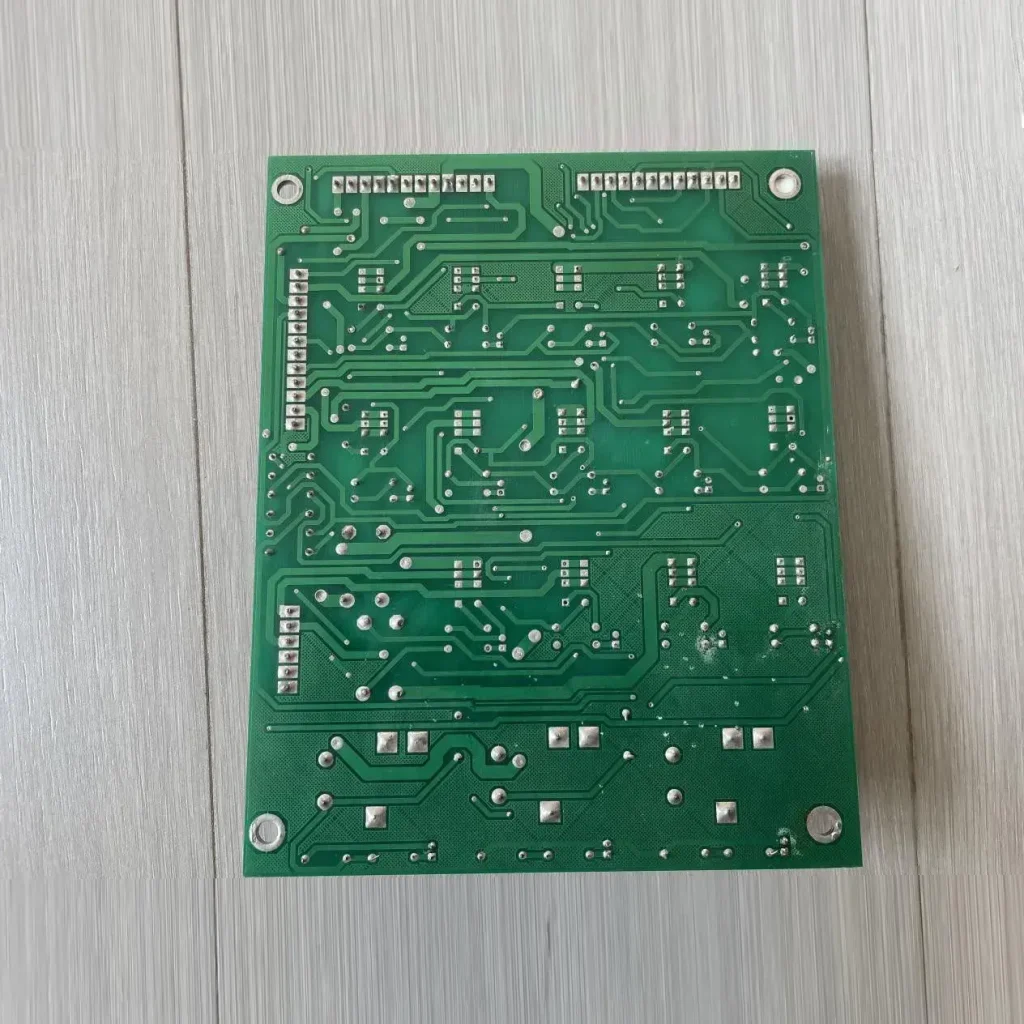 Zoomlion Original Power Control Board – ...
🔹 Core Functions Multi-circuit Power Distrib...
-
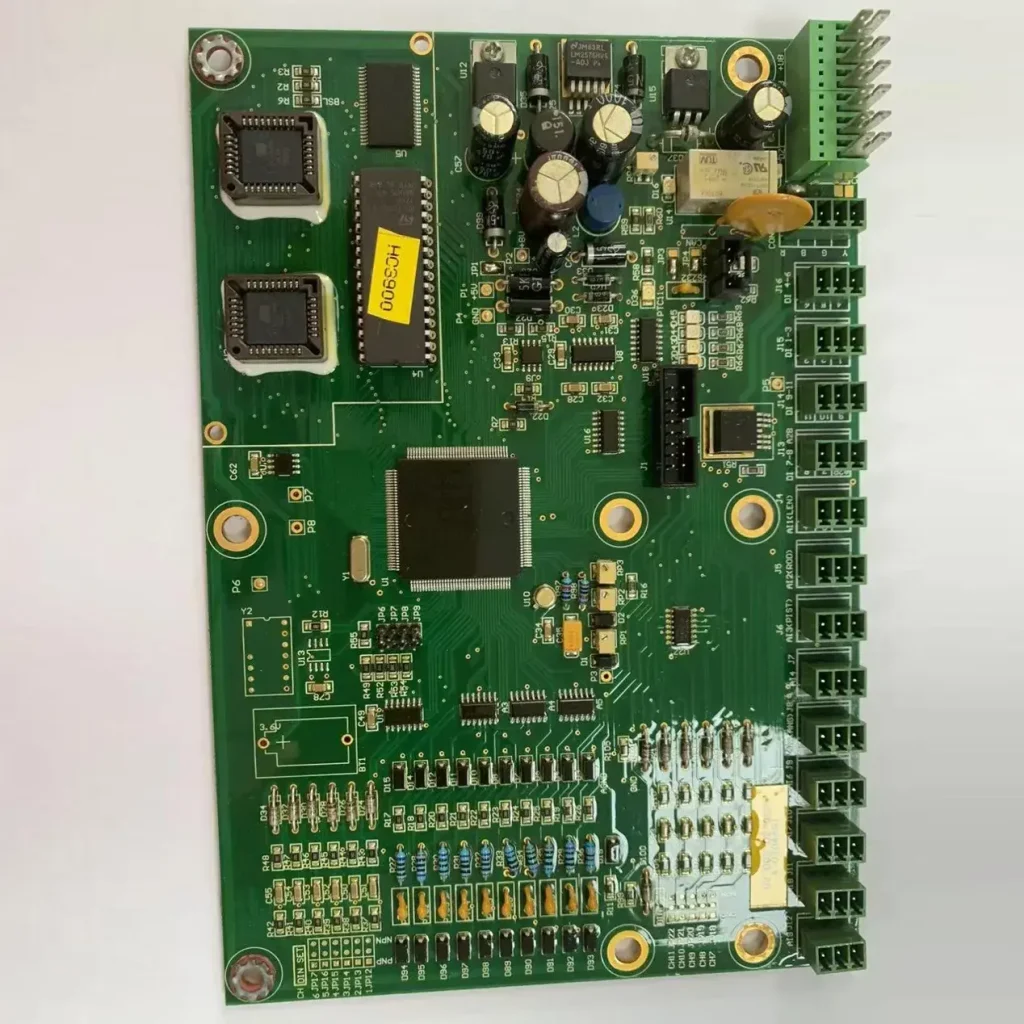 XCMG HC3900 Crane Upper Computer Mainboard
Key Selling Points OEM Direct Compatibility...
-
 Zoomlion Mobile Crane Load Moment Indicator (LM...
Product Overview This is an original equipment...