
+86 18652221058
- Chinese
- French
- German
- Portuguese
- Spanish
- Russian
- Japanese
- Korean
- Arabic
- Irish
- Greek
- Turkish
- Italian
- Danish
- Romanian
- Indonesian
- Czech
- Afrikaans
- Swedish
- Polish
- Basque
- Catalan
- Esperanto
- Hindi
- Lao
- Albanian
- Amharic
- Armenian
- Azerbaijani
- Belarusian
- Bengali
- Bosnian
- Bulgarian
- Cebuano
- Chichewa
- Corsican
- Croatian
- Dutch
- Estonian
- Filipino
- Finnish
- Frisian
- Galician
- Georgian
- Gujarati
- Haitian
- Hausa
- Hawaiian
- Hebrew
- Hmong
- Hungarian
- Icelandic
- Igbo
- Javanese
- Kannada
- Kazakh
- Khmer
- Kurdish
- Kyrgyz
- Latin
- Latvian
- Lithuanian
- Luxembou..
- Macedonian
- Malagasy
- Malay
- Malayalam
- Maltese
- Maori
- Marathi
- Mongolian
- Burmese
- Nepali
- Norwegian
- Pashto
- Persian
- Punjabi
- Serbian
- Sesotho
- Sinhala
- Slovak
- Slovenian
- Somali
- Samoan
- Scots Gaelic
- Shona
- Sindhi
- Sundanese
- Swahili
- Tajik
- Tamil
- Telugu
- Thai
- Ukrainian
- Urdu
- Uzbek
- Vietnamese
- Welsh
- Xhosa
- Yiddish
- Yoruba
- Zulu
- Kinyarwanda
- Tatar
- Oriya
- Turkmen
- Uyghur

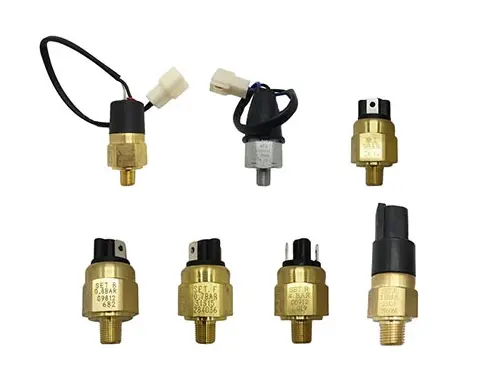
How Sensors Work In Construction Equipment | Xuzhou Jiemanda Construction Machinery Co . , Ltd.
Sensors are devices that detect a physical condition and convert it into a signal that a machine, controller, display, or operator can understand. In construction machinery, sensors help monitor key operating conditions such as temperature, pressure, speed, position, fluid level, load, and engine performance.
Modern equipment relies on sensor data to support safe operation, improve efficiency, reduce unexpected downtime, and help technicians diagnose faults. When a sensor detects a change, it sends information to the machine’s electronic control unit (ECU), instrument panel, or monitoring system. The controller can then display a warning, adjust a function, record operating data, or activate a protective response.
For equipment owners and maintenance teams, understanding how sensors work makes it easier to identify the correct replacement part and maintain dependable machine performance.
What Does a Sensor Do?
A sensor detects a measurable condition in the environment or machine. That condition may be mechanical, electrical, thermal, magnetic, optical, chemical, or hydraulic.
For example:
- A temperature sensor detects heat.
- A pressure sensor detects fluid or air pressure.
- A speed sensor detects rotation or movement.
- A position sensor detects the location of a component.
- A level sensor detects the amount of fuel, oil, coolant, or hydraulic fluid.
- A load sensor helps measure force or weight.
After detecting the condition, the sensor converts it into an electrical signal. The machine’s control system reads this signal and compares it with expected operating values.
If the value is outside the normal range, the system may trigger a warning light, store a diagnostic fault code, limit machine performance, or stop a component from operating in an unsafe condition.
How Do Sensors Work Step by Step?
Although sensor designs differ, most follow the same basic working process.
| Step | What Happens |
|---|---|
| 1. Detection | The sensor detects a physical condition, such as pressure, temperature, speed, or position. |
| 2. Conversion | The sensor converts that condition into an electrical signal. |
| 3. Transmission | The signal travels through wiring, connectors, or a communication network. |
| 4. Processing | The ECU or controller interprets the sensor signal. |
| 5. Response | The machine displays information, adjusts operation, stores data, or activates an alarm. |
For example, an engine coolant temperature sensor measures coolant temperature and sends a signal to the ECU. If the temperature becomes too high, the system may warn the operator, reduce engine power, or request shutdown procedures to help prevent serious damage.
Common Sensor Types in Construction Machinery
Construction machines operate in demanding environments. They may be exposed to vibration, dust, water, heat, hydraulic pressure, impact, and long operating hours. For this reason, sensors are used throughout the engine, hydraulic system, electrical system, transmission, braking system, and operator-control system.
Temperature Sensors
Temperature sensors are used to monitor engine coolant, hydraulic oil, intake air, exhaust components, transmission oil, and other operating areas.
Their purpose is to help prevent overheating and maintain stable working conditions. A failed temperature sensor can send incorrect information, potentially causing false alarms, poor engine performance, or delayed warning of a real overheating condition.
Pressure Sensors
Pressure sensors are widely used in hydraulic machinery. They can monitor hydraulic pressure, engine oil pressure, fuel pressure, boost pressure, brake pressure, and air-system pressure.
Accurate pressure data helps the control system confirm whether pumps, valves, cylinders, filters, and lubrication systems are operating correctly.
Speed Sensors
Speed sensors measure rotational speed or movement. They may be installed near wheels, shafts, engines, transmissions, motors, or hydraulic components.
These sensors are important for functions such as engine control, transmission shifting, wheel-speed monitoring, travel control, and equipment performance tracking.
Position Sensors
Position sensors identify the location, angle, extension, or movement of a component. They may be used on throttle systems, pedals, booms, arms, buckets, steering systems, valves, cylinders, and control levers.
On excavators, cranes, loaders, and other working machines, position data can support more precise control and improve operational safety.
Level Sensors
Level sensors monitor the quantity of fluids in a tank or reservoir. Common applications include fuel level, hydraulic oil level, coolant level, and urea solution level in applicable diesel-emissions systems.
A reliable level sensor helps operators plan refueling and maintenance while reducing the risk of running equipment with insufficient fluids.
Proximity and Magnetic Sensors
Proximity sensors detect whether a component is near a specific point without direct physical contact. Magnetic sensors often detect movement, rotation, or position through a magnetic field.
These sensors can be used in speed measurement, safety interlocks, access systems, mechanical-position detection, and rotating equipment monitoring.
How an XCMG Sensor Supports Equipment Operation
The term XCMG sensor is commonly used when searching for a replacement sensor intended for compatible XCMG construction equipment, such as excavators, loaders, cranes, road machinery, and other machine categories.
Depending on the equipment model and system design, an XCMG sensor may monitor pressure, temperature, rotational speed, fluid level, position, or other operating conditions. The sensor helps provide real-time data to the machine’s control system.
However, sensors should not be selected by appearance alone. Two parts may look similar while having different electrical outputs, connector designs, thread specifications, measuring ranges, calibration characteristics, or communication protocols.
Before ordering a replacement, buyers should confirm:
- Machine model and serial number
- Original part number
- Sensor function and installation position
- Connector type and pin configuration
- Voltage and signal type
- Thread size or mounting dimensions
- Measurement range
- Compatibility with the machine control system
Correct identification helps reduce installation problems, inaccurate readings, and unnecessary downtime.
Why Sensor Accuracy Matters
Sensor accuracy directly affects how a machine responds to real operating conditions. If a pressure sensor reports lower pressure than the actual value, the system may trigger an unnecessary alarm. If it reports a normal value when a real fault exists, the machine may continue operating under harmful conditions.
Reliable sensor performance can support:
- Accurate fault diagnosis
- Stable engine and hydraulic-system operation
- Timely maintenance decisions
- Lower risk of equipment damage
- Better operator awareness
- More consistent machine productivity
For this reason, a sensor replacement should match the intended application and system requirements rather than being selected solely by price.
Common Signs of a Faulty Sensor
A sensor may fail gradually or suddenly. In some cases, the problem is not the sensor itself but damaged wiring, corroded connectors, poor grounding, hydraulic contamination, excessive vibration, or a controller issue.
Common warning signs include:
- Warning lights or error messages on the display
- Unstable gauge readings
- Incorrect temperature, pressure, or fluid-level readings
- Engine derating or reduced machine performance
- Difficulty starting the machine
- Unusual fuel consumption
- Hydraulic functions responding abnormally
- Intermittent fault codes
- Equipment entering protective or limp-home mode
A proper diagnosis should include checking the sensor, connector, wiring harness, supply voltage, signal output, ground circuit, and related mechanical system.
How to Choose the Right Replacement Sensor
When sourcing an XCMG sensor or another construction-equipment sensor, compatibility and quality control are essential.
Use this practical selection checklist:
- Match the original part number whenever possible.
The part number is usually the most reliable starting point for identification. - Confirm the machine application.
Verify the equipment model, production version, engine type, and installation location. - Check electrical specifications.
Confirm voltage, output signal, resistance range, pin arrangement, and connector type. - Confirm mechanical fitment.
Check thread size, mounting depth, sensor length, sealing method, and housing dimensions. - Review the operating environment.
Consider temperature range, vibration, dust, moisture, pressure, and exposure to oil or chemicals. - Inspect product quality.
A reliable sensor should have stable electrical performance, durable housing, secure connectors, and suitable sealing for the working environment. - Test after installation.
After replacement, check live data, fault codes, dashboard readings, and machine operation before returning the equipment to full service.
Sensor Maintenance Tips
Sensors are often compact parts, but they work in demanding conditions. Basic preventive maintenance can help reduce sensor-related failures.
- Keep electrical connectors clean and dry.
- Inspect wiring harnesses for abrasion, heat damage, or loose connections.
- Repair fluid leaks that may contaminate sensors or connectors.
- Follow scheduled fluid and filter maintenance.
- Do not force connectors or use incorrect tools during installation.
- Use proper torque for threaded sensors.
- Investigate warning messages promptly instead of continuing to operate with an active fault.
- Record replaced parts and diagnostic results for future maintenance reference.
Conclusion
Sensors work by detecting physical conditions and converting them into signals that construction machinery can use. They play an essential role in monitoring engine health, hydraulic performance, machine movement, fluid levels, operating safety, and fault conditions.
For an XCMG sensor, correct compatibility is especially important. Buyers should confirm the original part number, machine model, signal type, connector, mounting details, and measurement range before installation. A properly matched sensor can help maintain accurate system data and support reliable equipment operation.
For help identifying a compatible sensor for your machinery, please contact our team.
FAQ
What is the main function of a sensor in construction machinery?
A sensor detects operating conditions such as temperature, pressure, speed, position, or fluid level and sends data to the machine’s control system.
Can a faulty sensor affect machine performance?
Yes. A faulty sensor can cause incorrect readings, warning messages, engine derating, unstable hydraulic performance, starting issues, or diagnostic fault codes.
How do I identify the correct XCMG sensor?
Confirm the original part number, machine model, serial number, sensor location, connector type, electrical specifications, and mounting details before ordering.
Can two sensors that look the same be interchangeable?
Not always. Similar-looking sensors may have different signal outputs, pressure ranges, thread sizes, connectors, or calibrations. Always verify compatibility before installation.
Feature Product
-
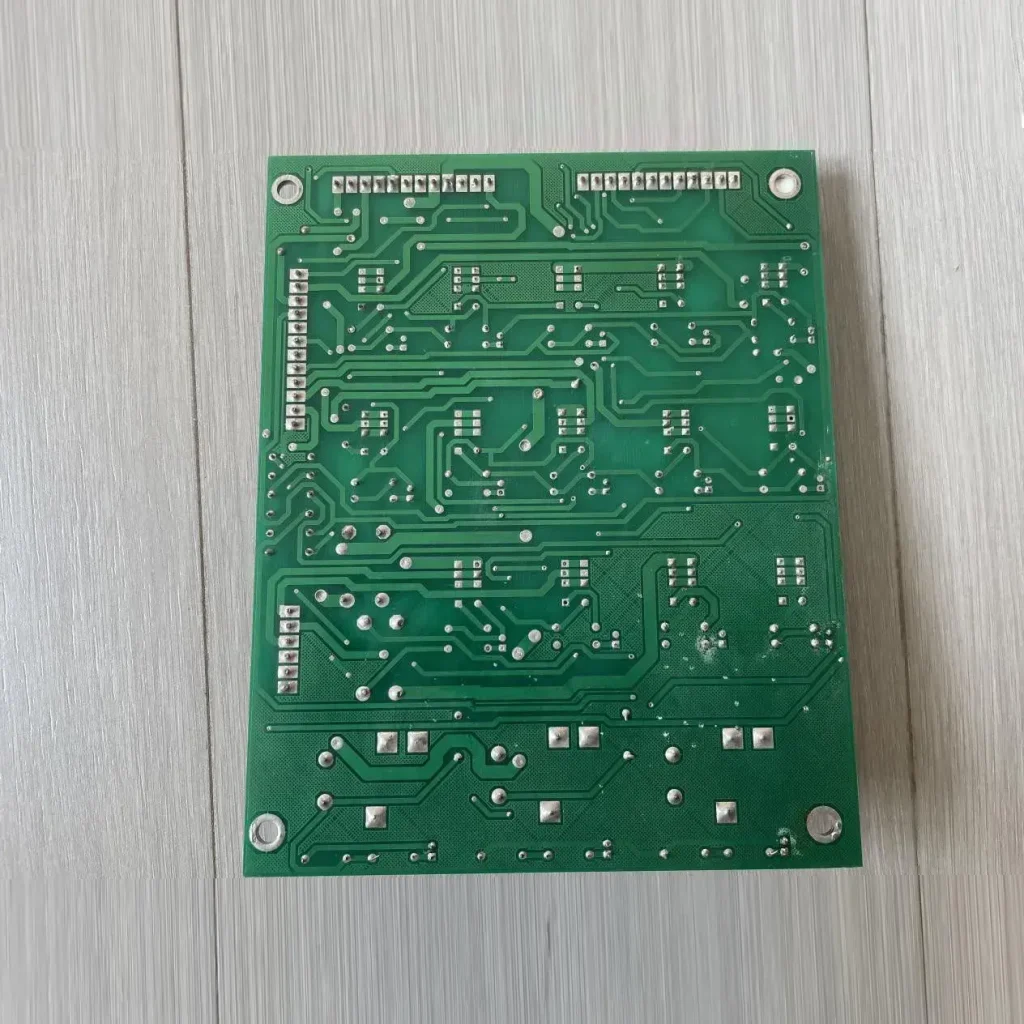 Zoomlion Original Power Control Board – ...
🔹 Core Functions Multi-circuit Power Distrib...
-
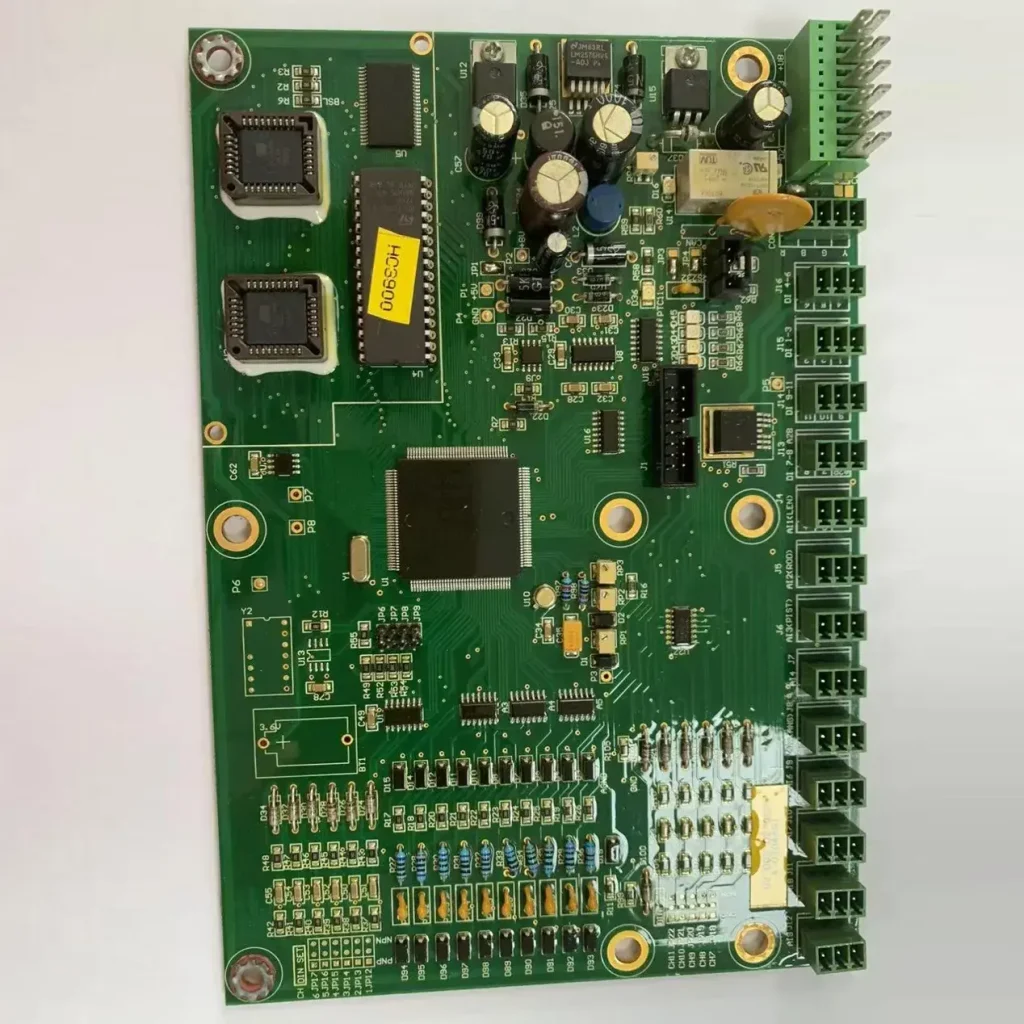 XCMG HC3900 Crane Upper Computer Mainboard
Key Selling Points OEM Direct Compatibility...
-
 Zoomlion Mobile Crane Load Moment Indicator (LM...
Product Overview This is an original equipment...